
Pipe ramming, also known as pneumatic hammer boring, drives a pipe into the ground with repeated blows. It is not steered, so it is used on short, straight runs: under a road, a railway, a canal or an industrial site.
The steel pipe usually stays in place as a casing, and the water, gas or sewer pipe or the cables are then pulled through it.
How a pipe ramming crossing is done
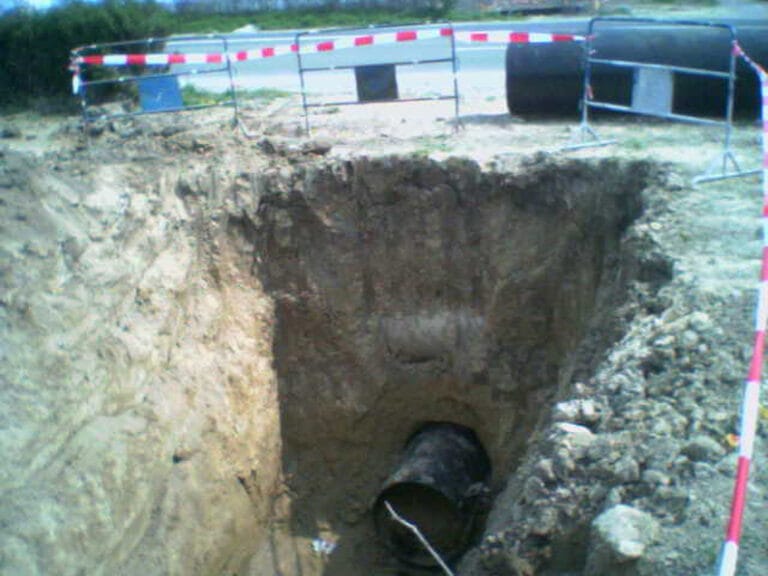
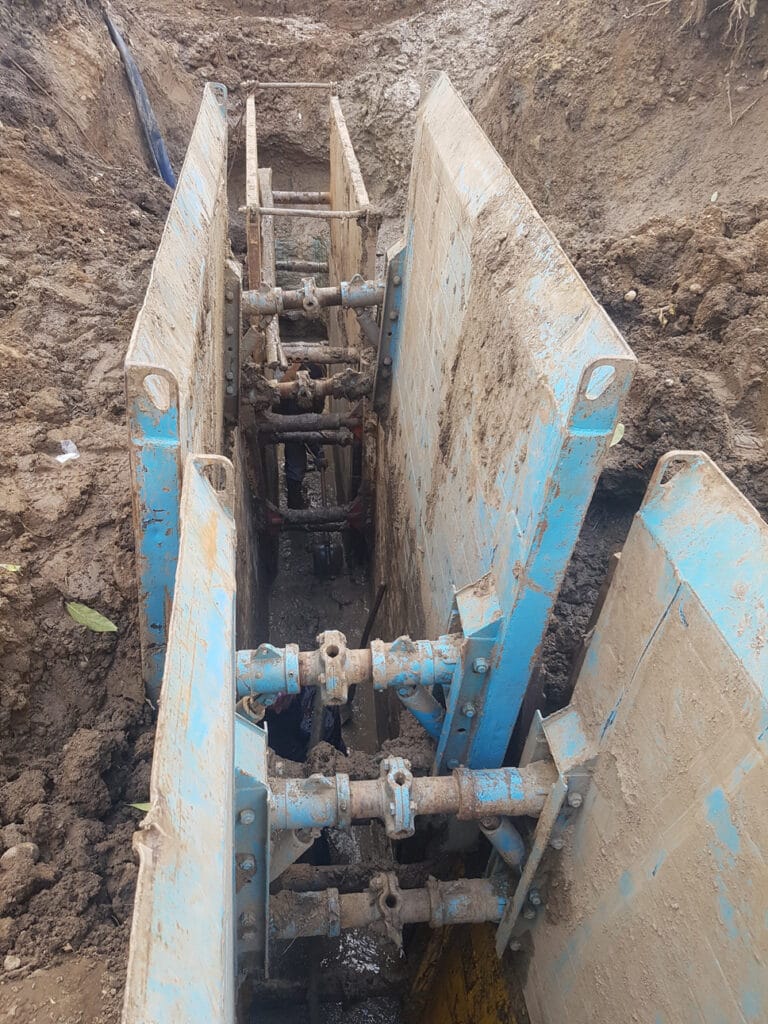
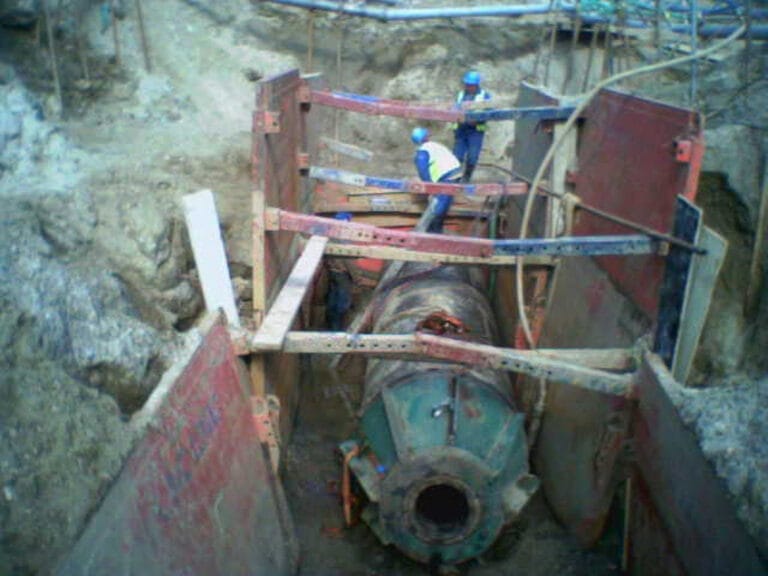
- We dig the launch pit and the reception pit at both ends of the route, with shored walls.
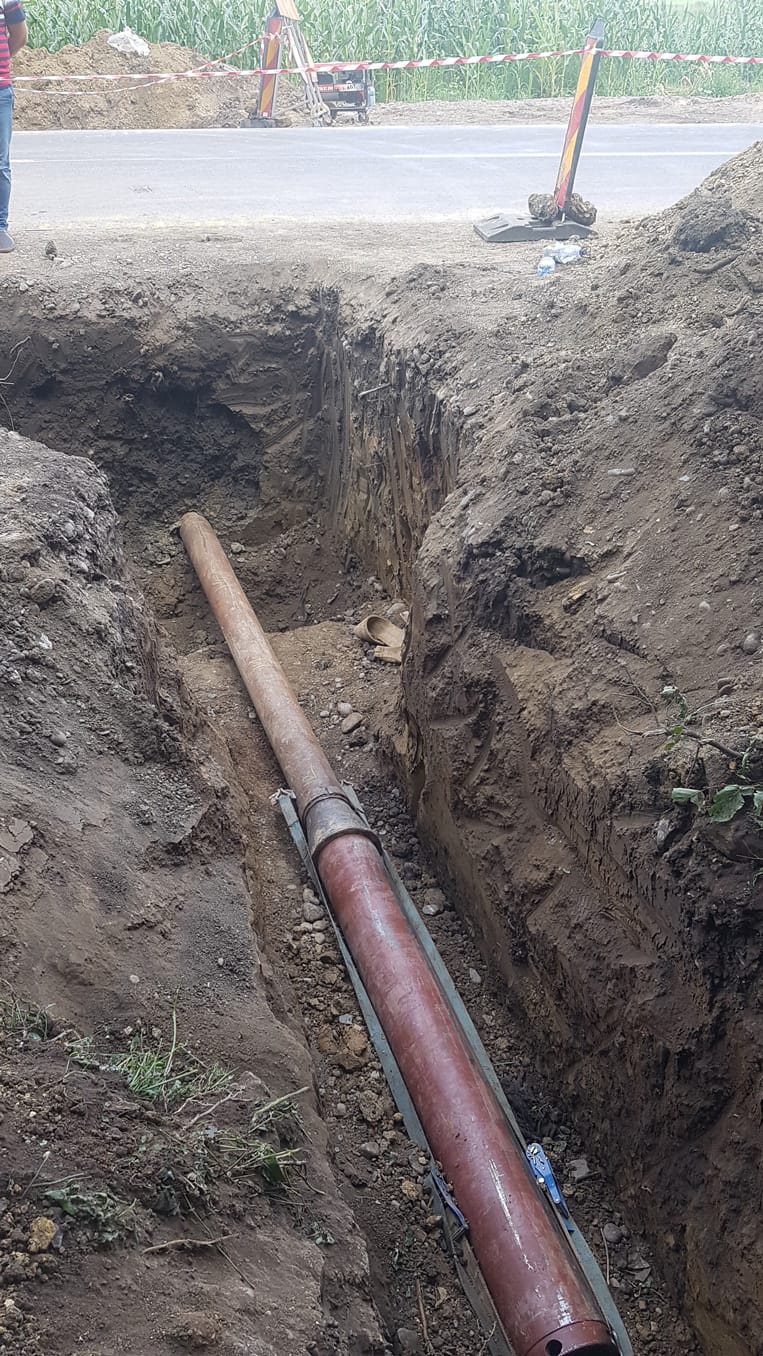
- We set the steel pipe on the line and gradient from the design.
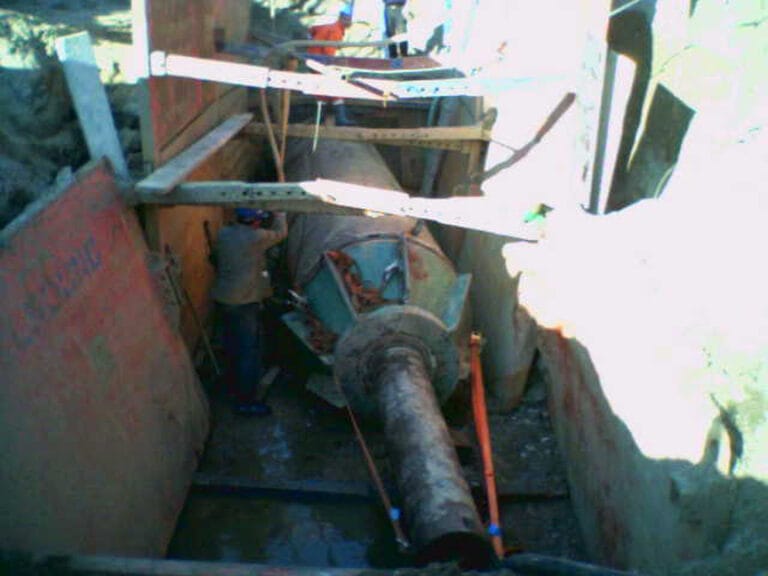
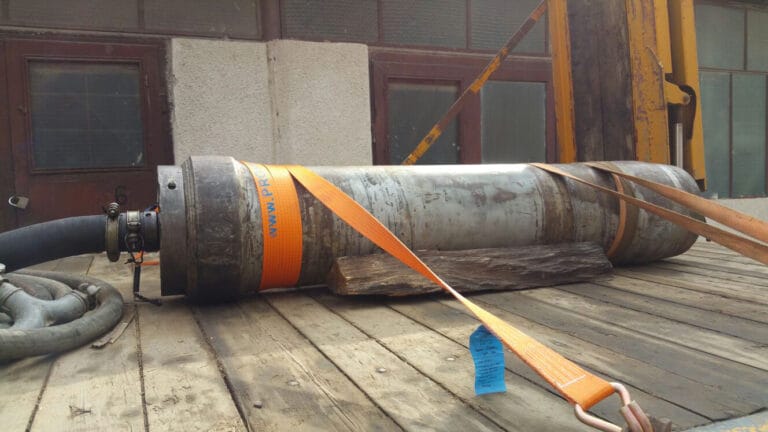
- The ESSIG pneumatic rammer repeatedly strikes the end of the pipe and drives it through the ground.
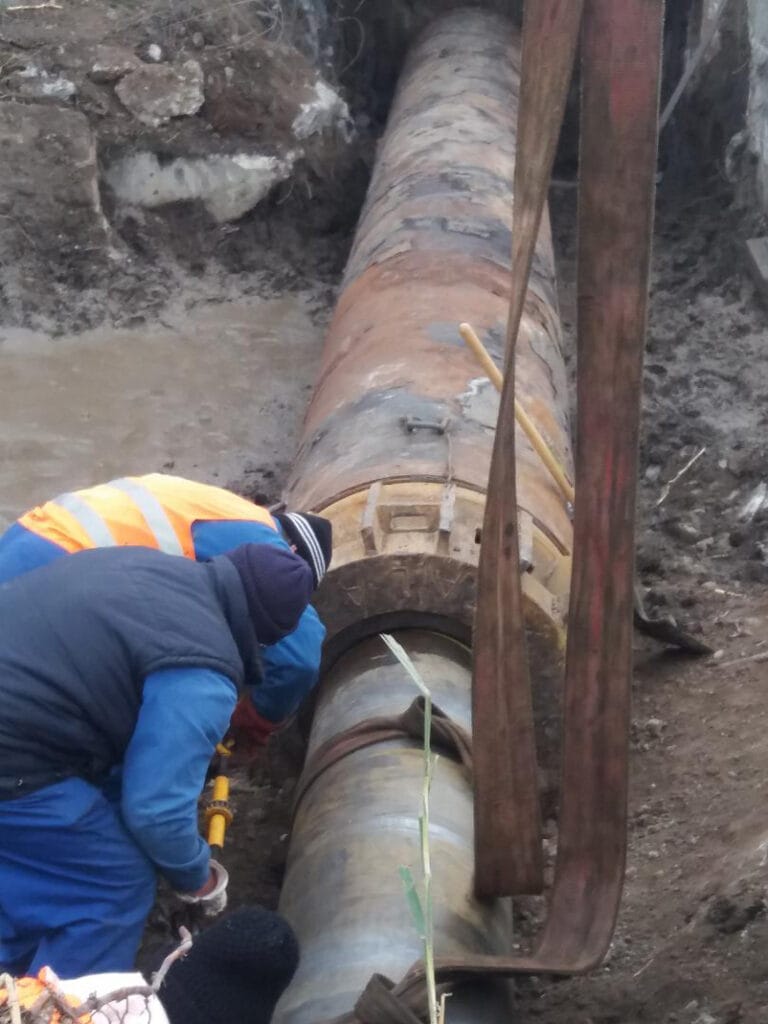
- We add welded pipe sections until the pipe reaches the reception pit.
- For large diameters, we then remove the soil inside the pipe. The pipe stays in place as a casing for a pipeline or cables.
When we choose pipe ramming, and when we don't
Suitable for:
- short, straight runs under roads, railways, canals and industrial sites;
- steel casings, including large diameters;
- sites with little space, because the equipment is mobile and quick to set up.
Not suitable when:
- the route has to bend around obstacles or curve; then we choose horizontal directional drilling;
- the soil contains large boulders or is unstable;
- high accuracy is needed along the whole route, because the method is not steered.
Diameters and applications
- Diameters: from DN25 to DN1500.
- Pipes: steel, which stays in place as a casing.
- Networks: water, natural gas, sewerage and casings for other underground networks.
- Obstacles: roads, railways, airports, irrigation canals, tram depots, industrial sites, bridges and culverts.
- Equipment: ESSIG pneumatic rammers, with accessories for each diameter.
How we choose between pipe ramming, pipe jacking and directional drilling for roads, railways and rivers: trenchless crossings.
Frequently asked questions
What diameters can you install by pipe ramming?
From DN25 to DN1500, with ESSIG equipment.
How long can a pipe ramming crossing be?
The method is designed for short, straight runs. The maximum length depends on the diameter and the soil, so we set it for each job, based on site data.
Is the pipeline installed directly?
Usually a steel pipe is driven in as a casing, and the pipeline or cables are then pulled through it.
What information do you need for a quote?
The location, what needs to be crossed, the length, the pipe material and diameter and, if available, the geotechnical study and the site plan.
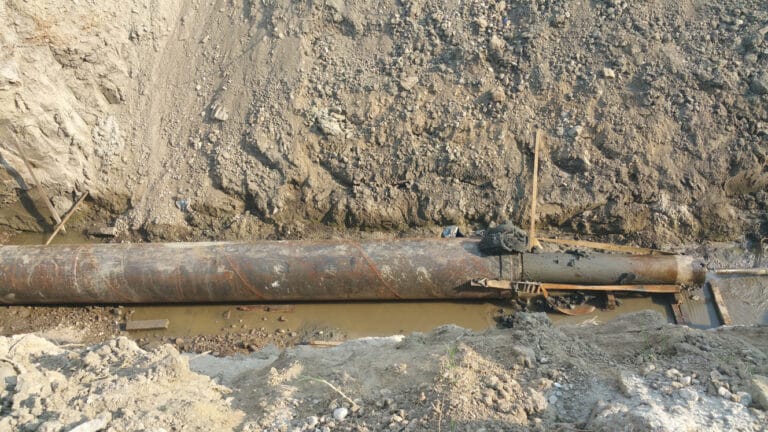
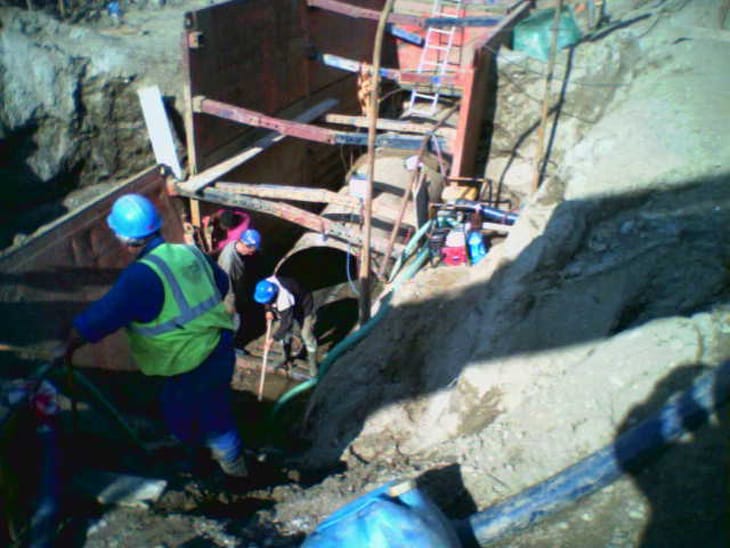
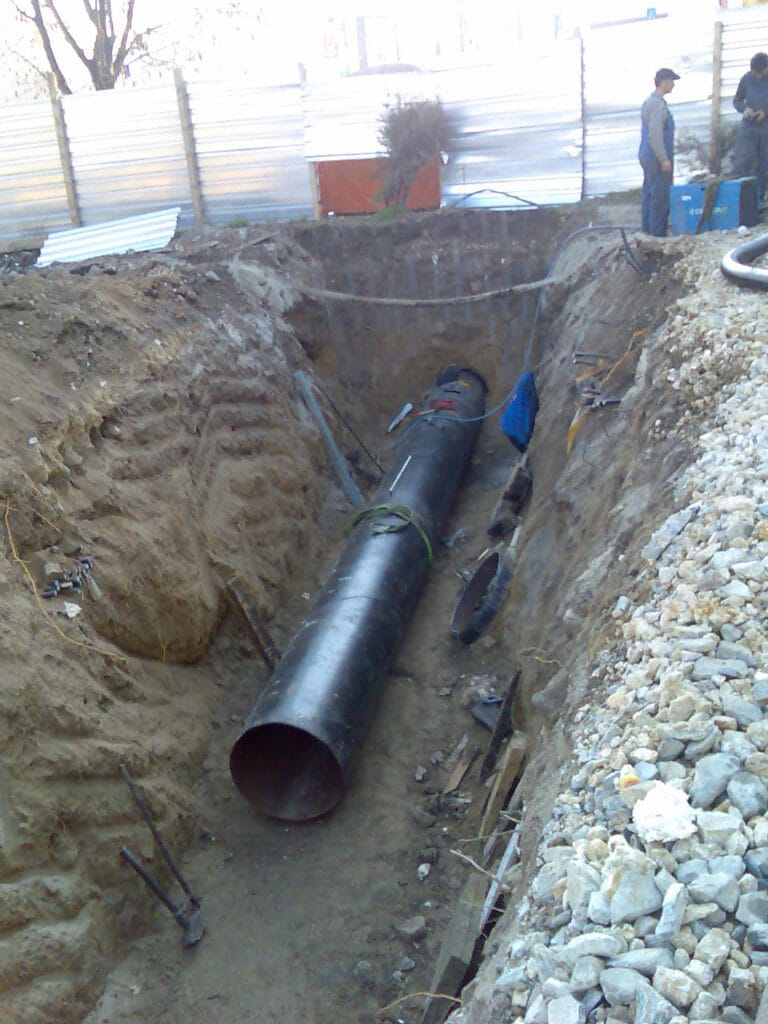
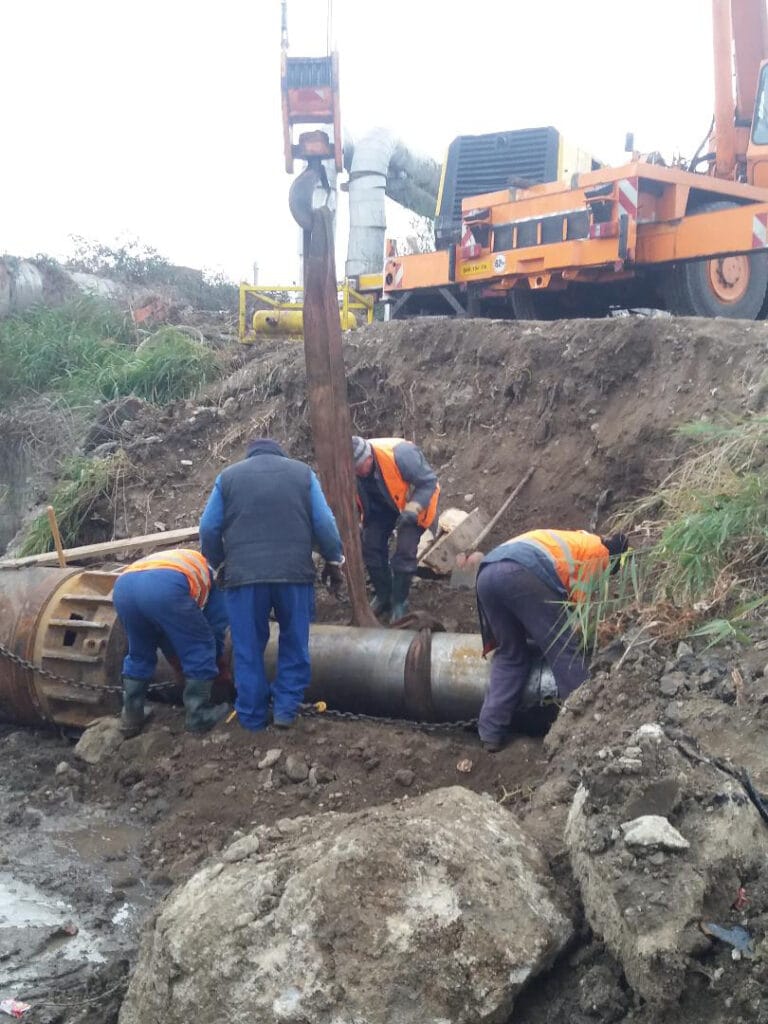
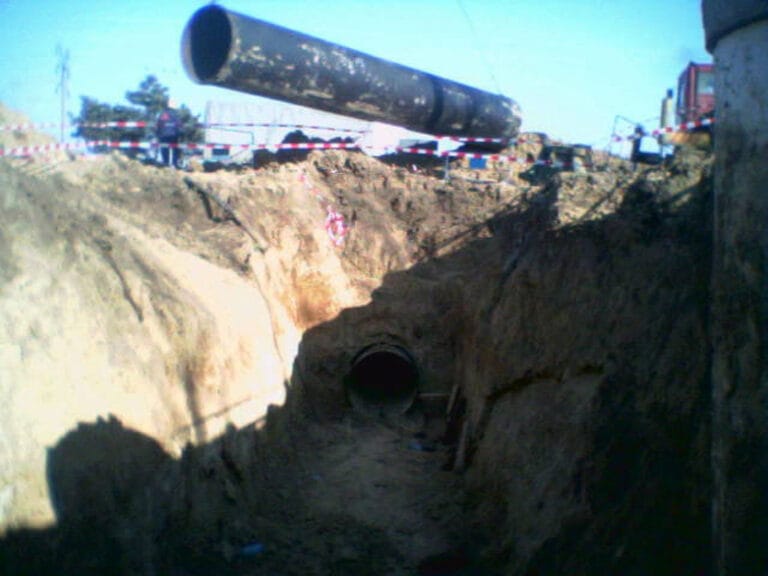
Pipe ramming projects
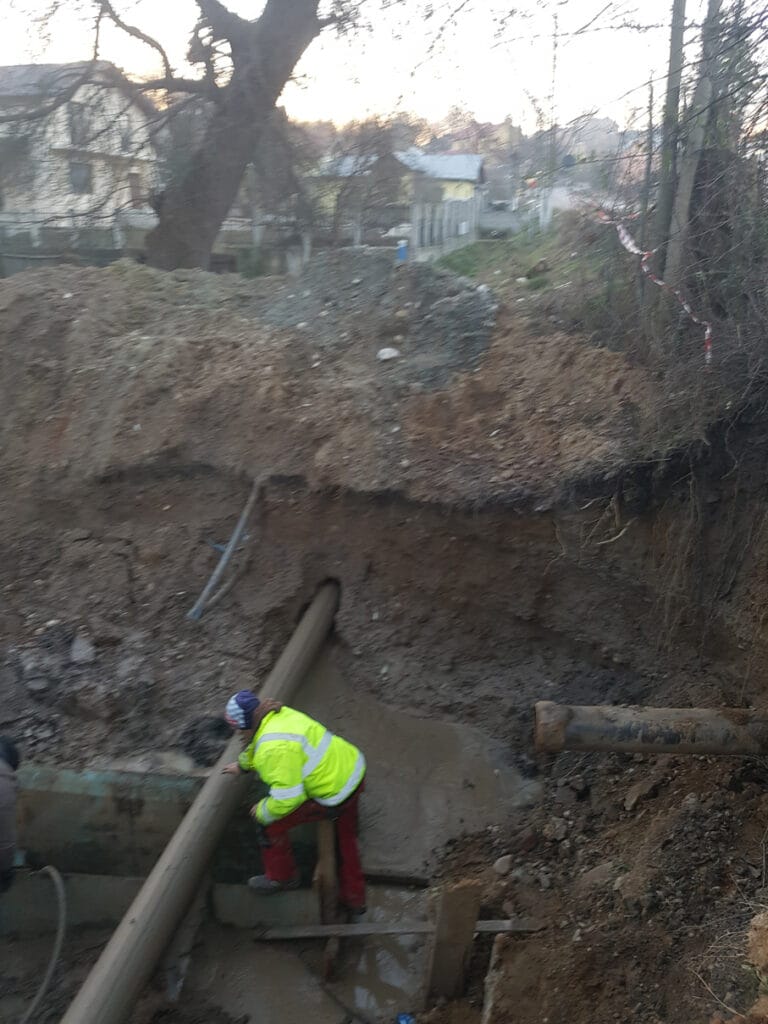
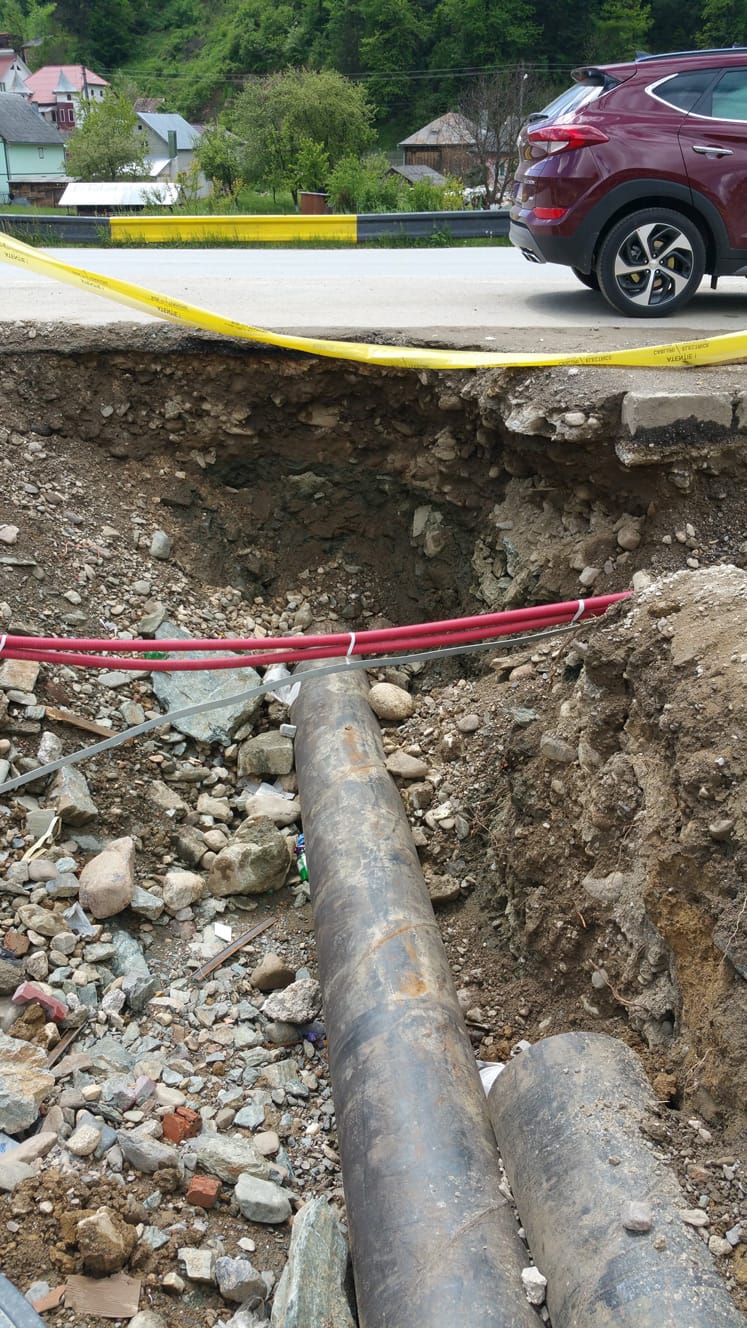
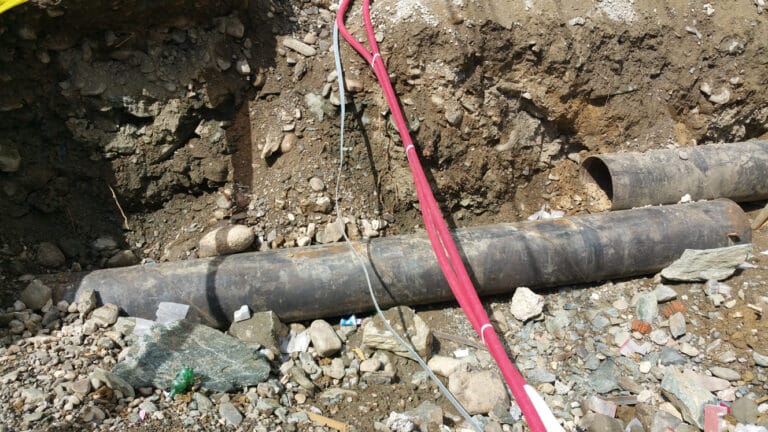
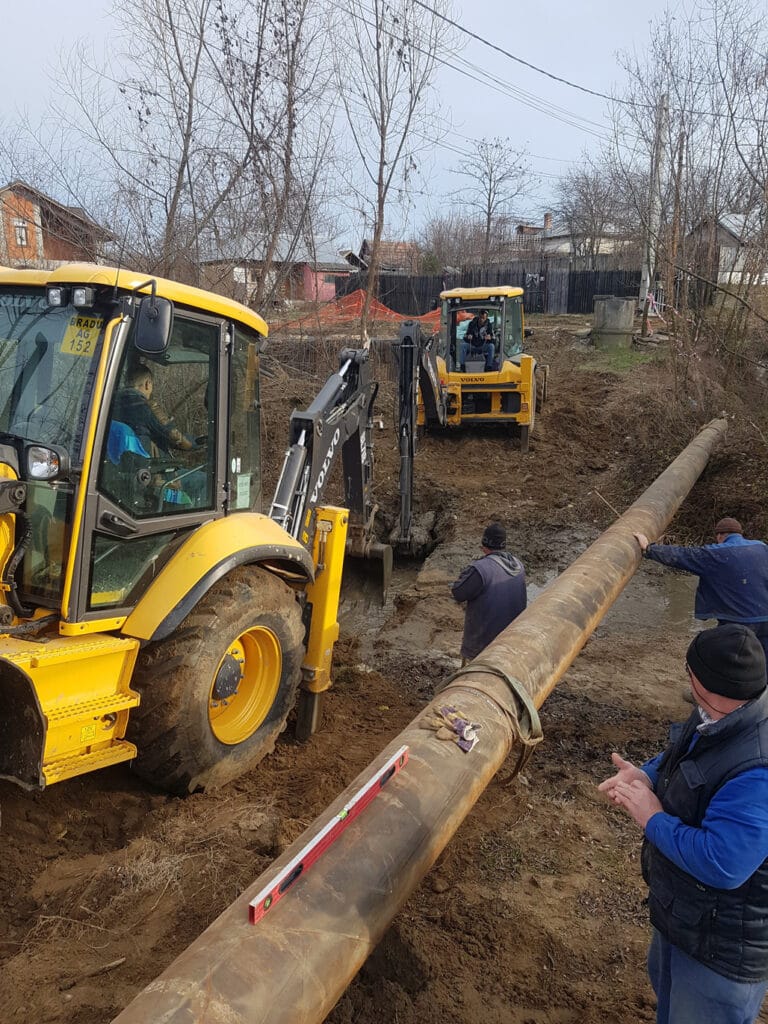
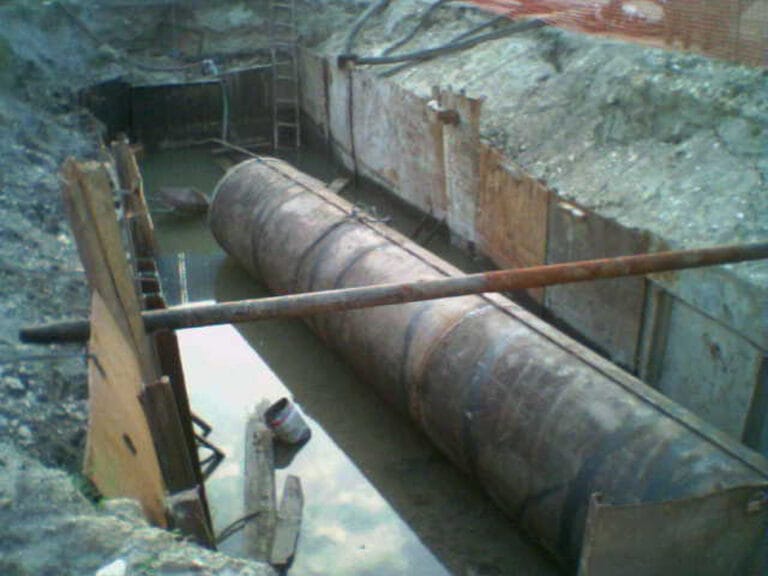
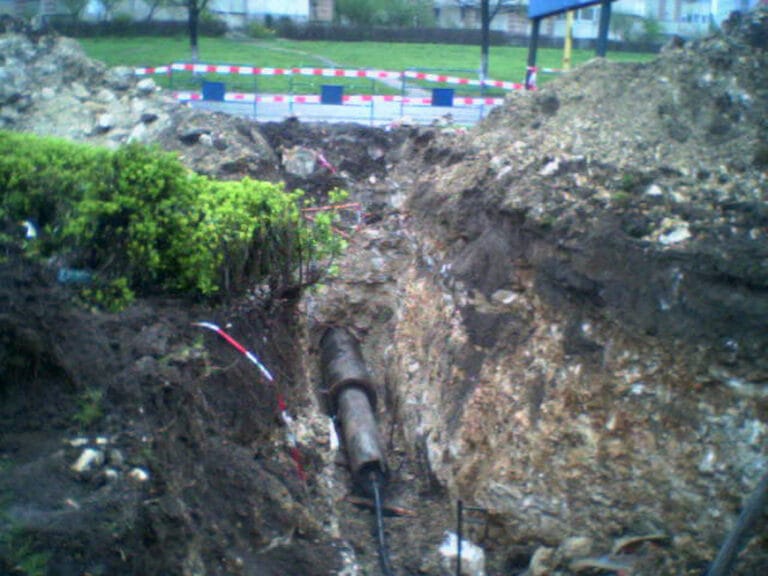
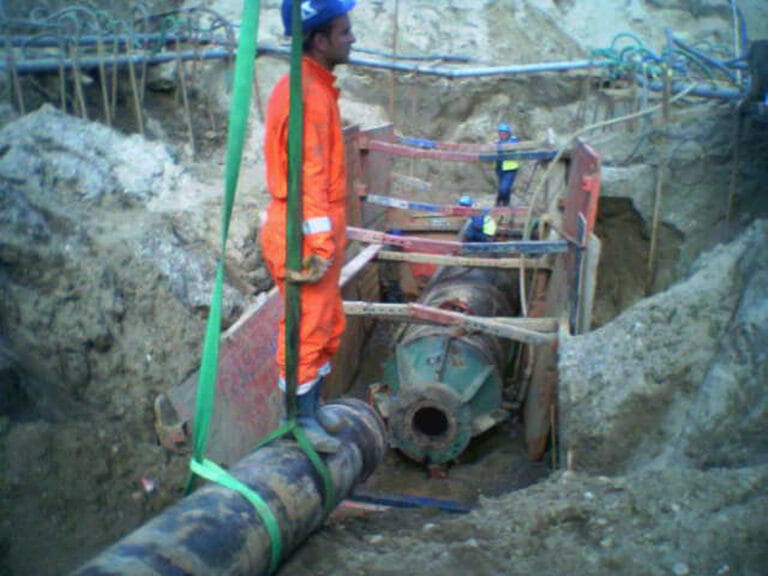
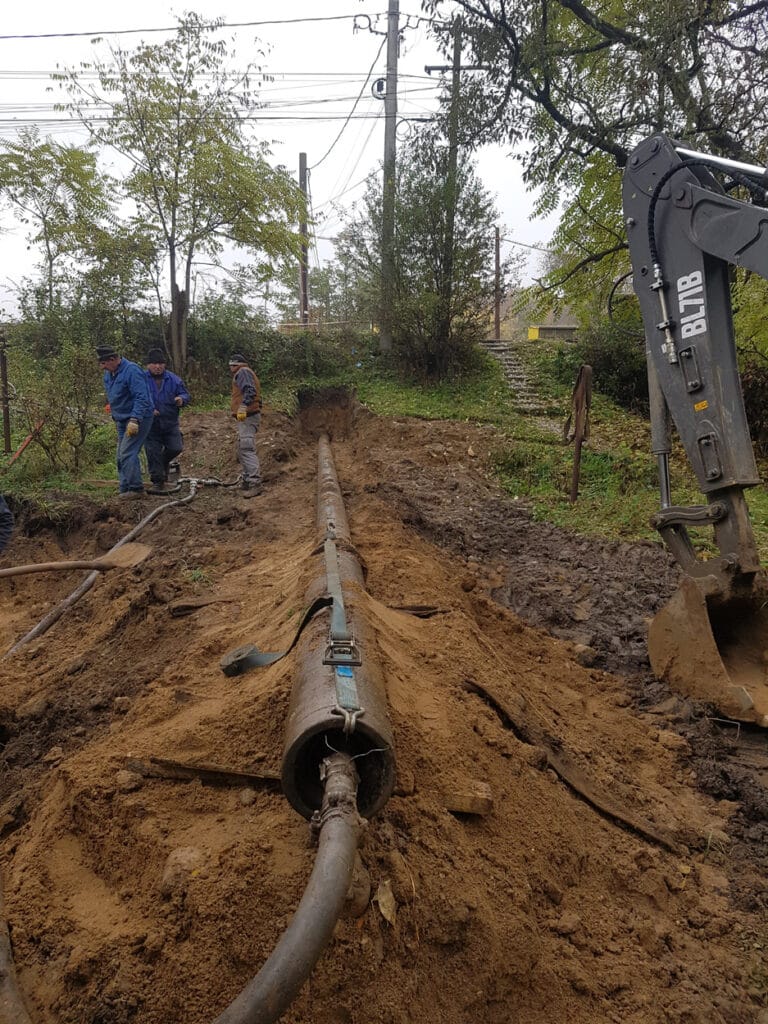
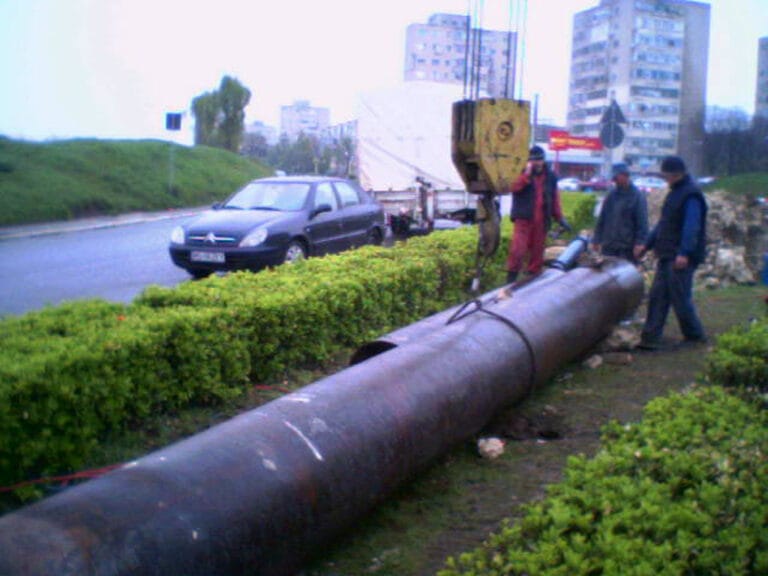
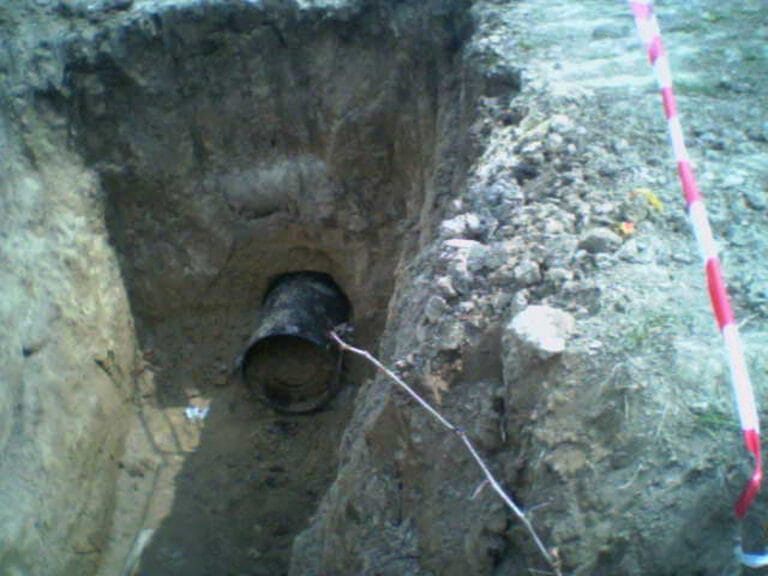
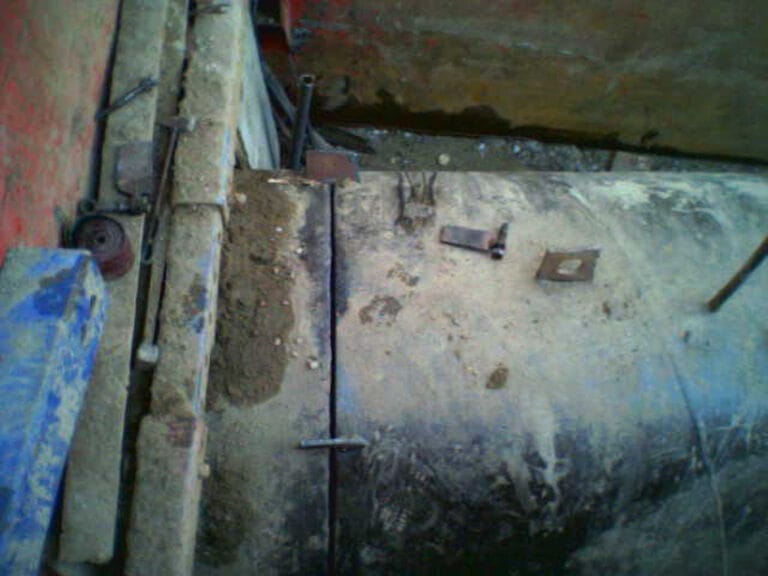
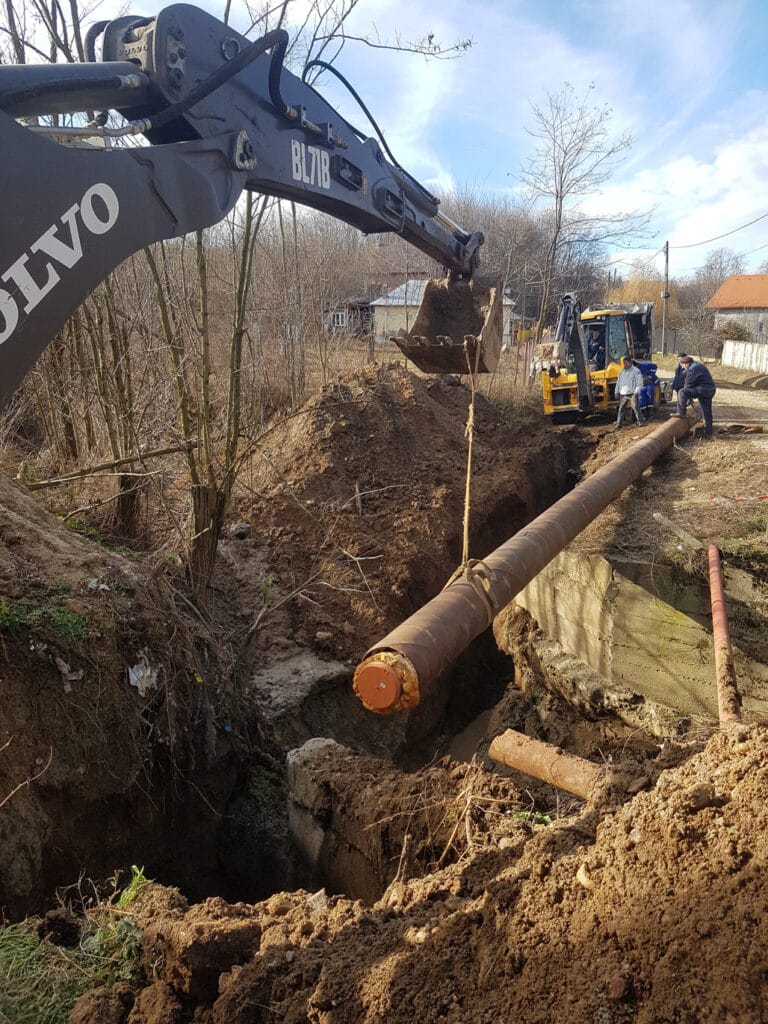
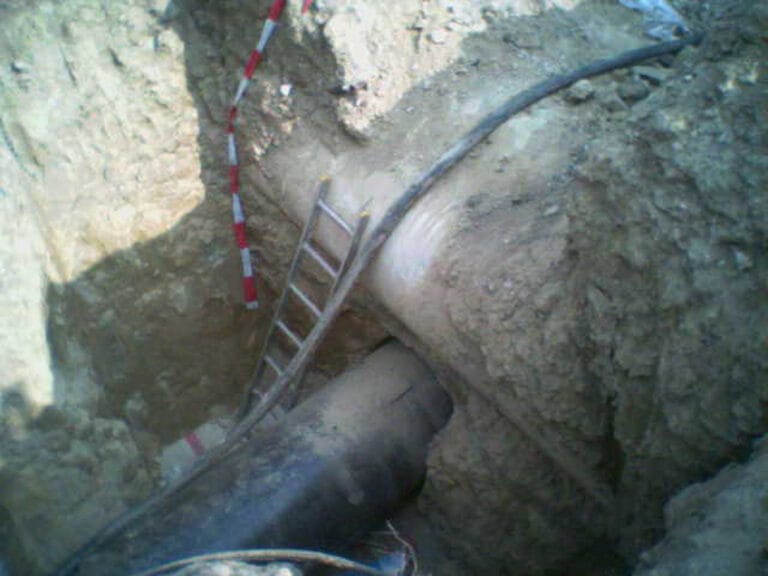
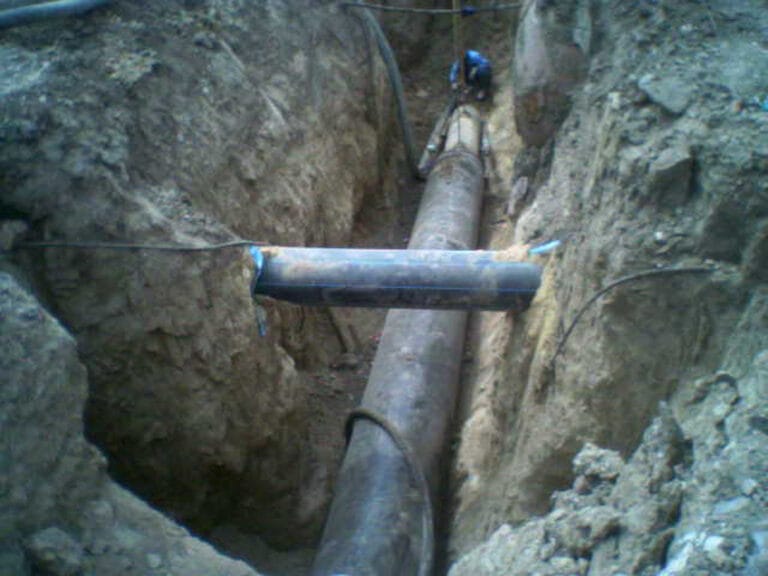
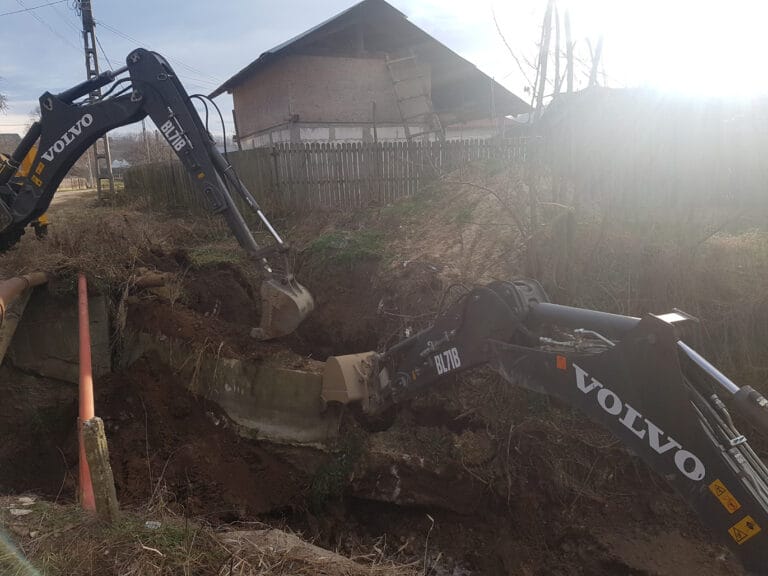
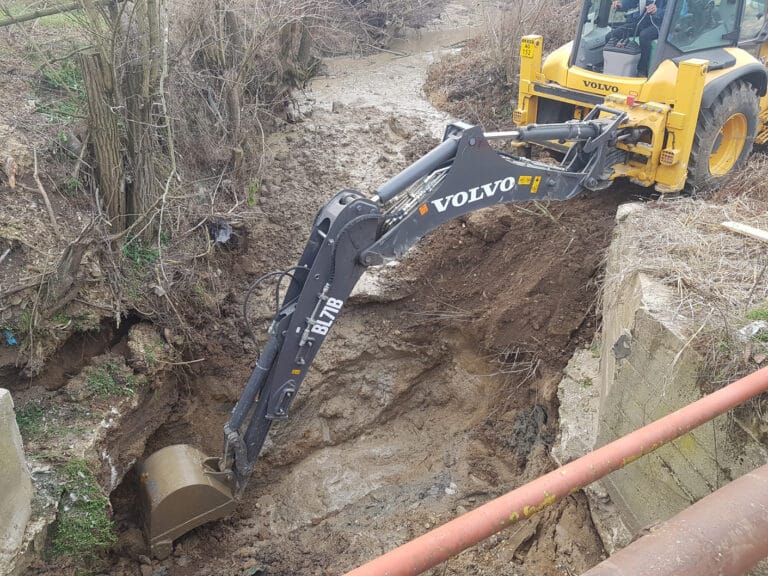
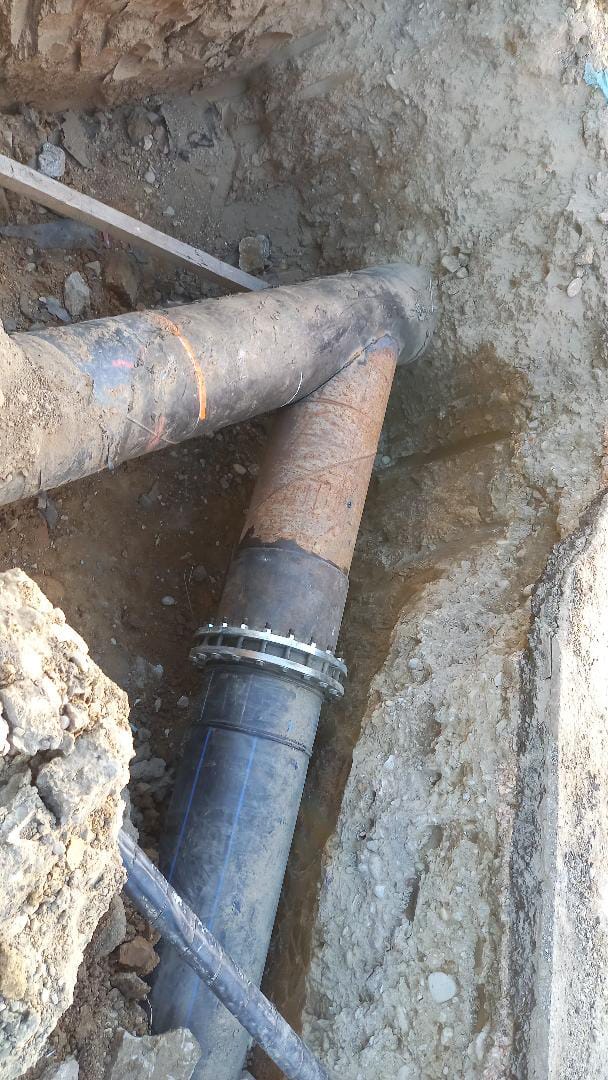
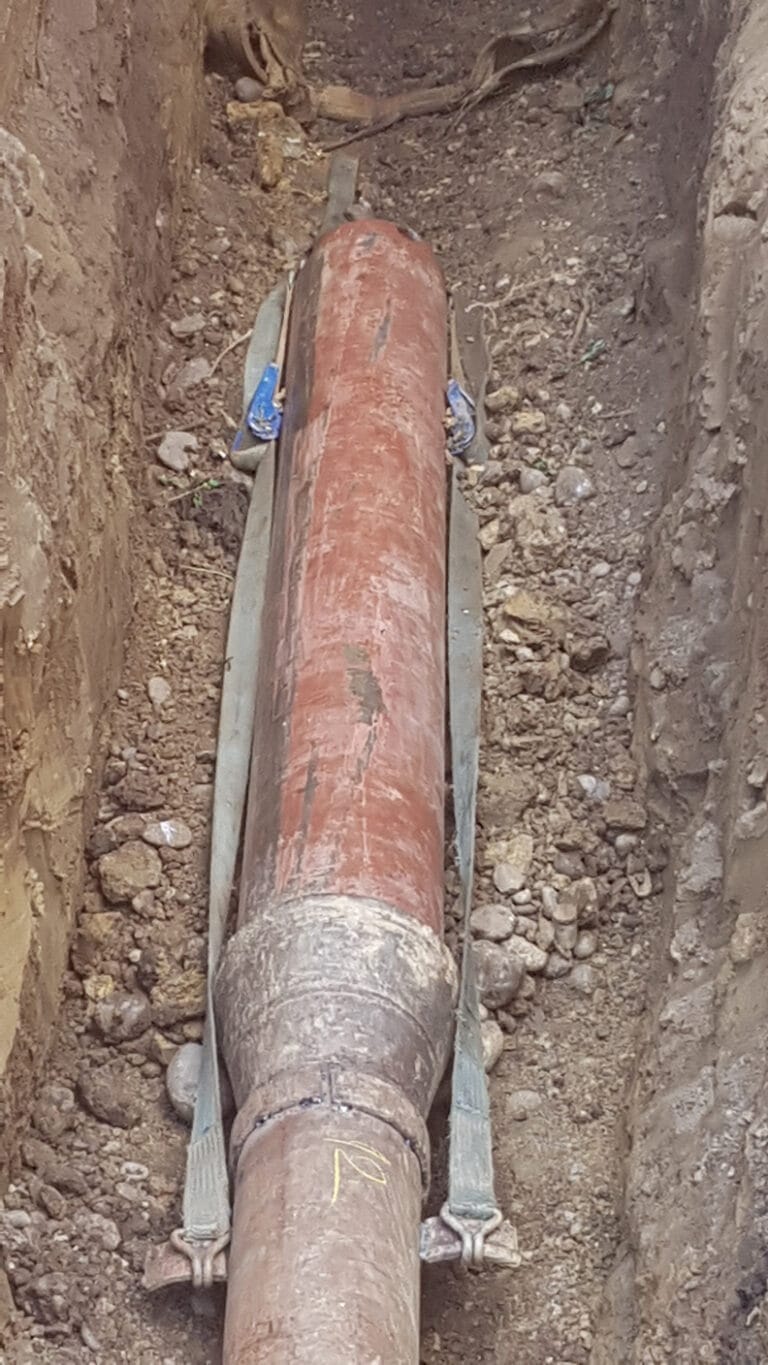
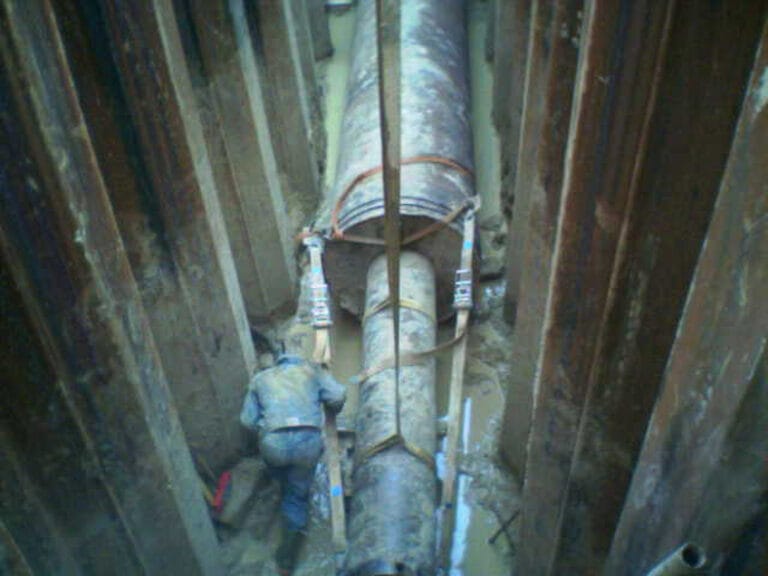
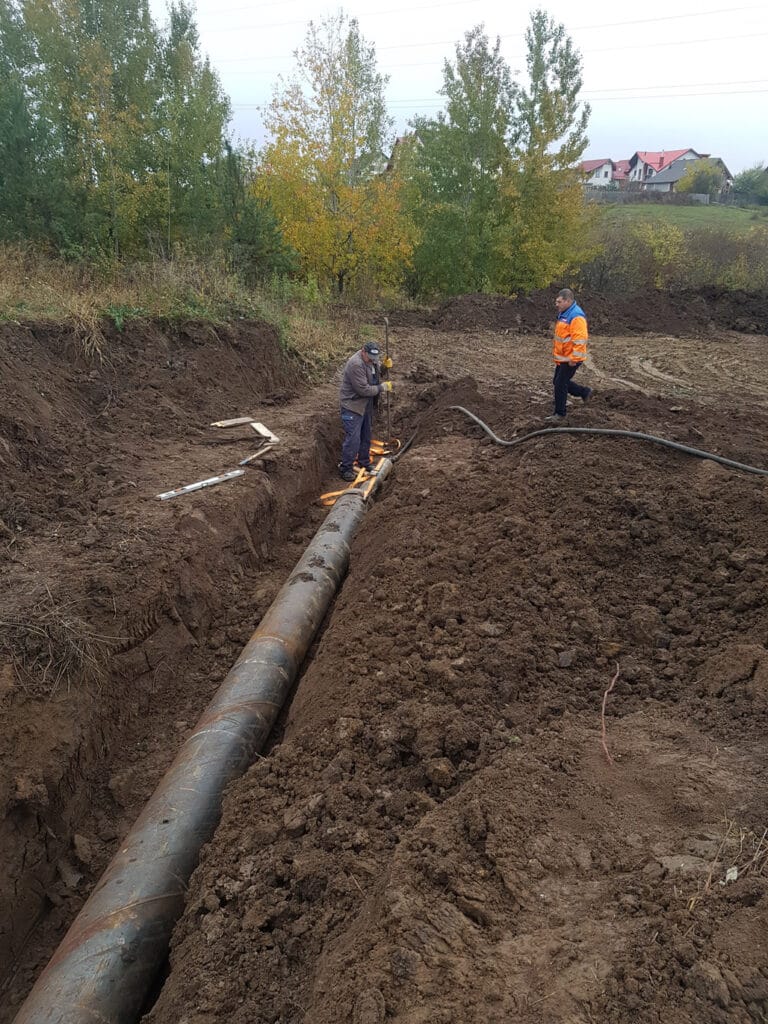
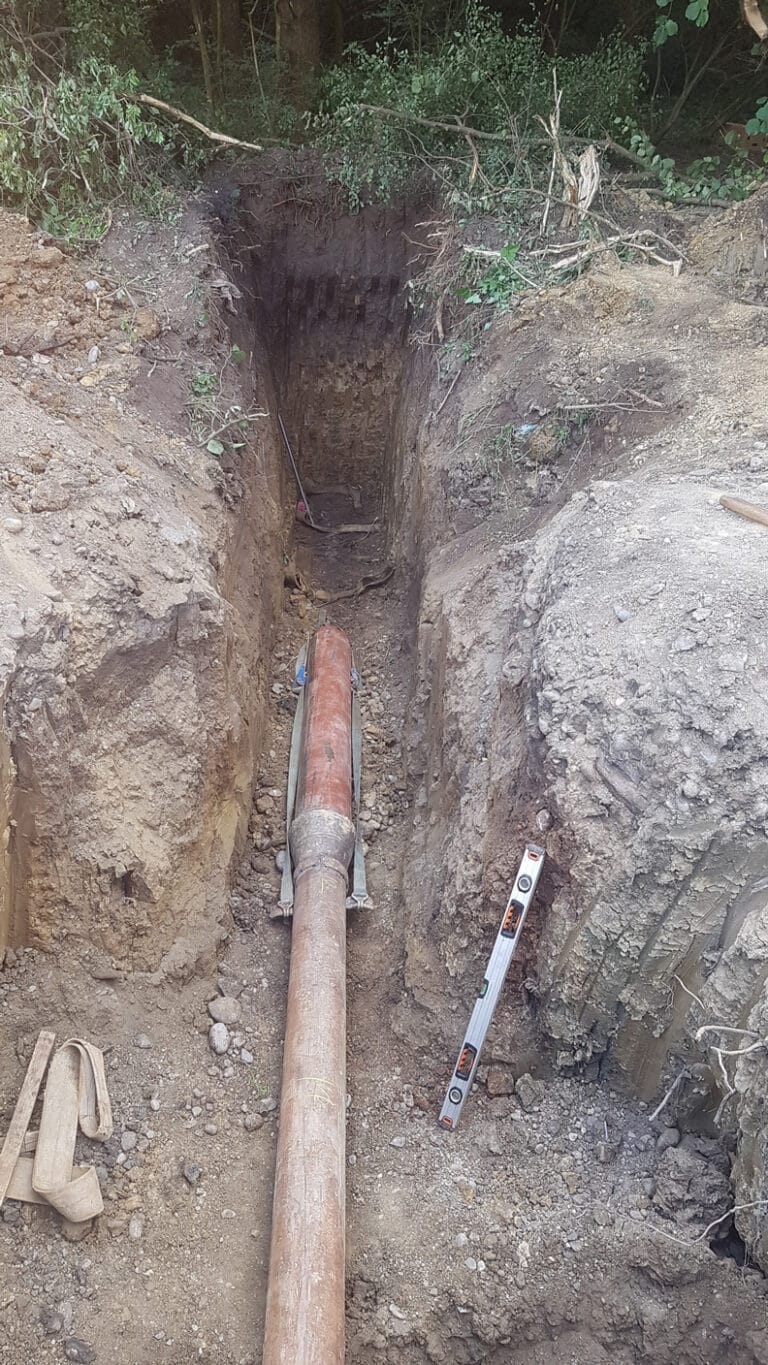
Some of our pipe ramming projects, with steel pipes from DN273 to DN1500.
Do you have a crossing to do?
Send us the location, what needs to be crossed, the length and the pipe diameter. We will propose the right method and send you a tailored quote.