
Trenchless horizontal directional drilling (HDD)
XCD HDD provides professional horizontal directional drilling (HDD), a modern trenchless technology that installs pipes, cables and ducts underground without open trenches. It is the ideal solution for infrastructure work in difficult or sensitive areas, such as crossings under roads, railways, canals or busy urban areas.
What is horizontal directional drilling?
Trenchless horizontal directional drilling is a steered, hydrodynamic rotary drilling system based on three principles:
- A drill bit shaped like an auger with a lance-shaped chisel.
- Horizontal rotary advance, with the soil broken up by high-pressure jets of a special bentonite-based drilling fluid (thanks to the thixotropic properties of bentonite, the drilling mud also stabilises and lubricates the bore).
- Steering of the rods and drill head from the surface, using an electromagnetic transmitter (sonde) inside the drill bit that continuously reports its depth, its pitch in % and the clock position of its tip. A portable walkover receiver (DigiTrak) displays this information at all times to the person guiding the pilot bore and relays it instantly to a receiver on the rig, where it appears on the operator’s screens. The sonde also reports the temperature around it and the charge of its batteries. Based on this data, the locator continuously tells the operator how to steer and advance the bit, so the bore follows the designed route, avoids known underground utilities and comes out at the planned point, with an accuracy of ±5–20 cm.
Advantages of HDD crossings
- Accurate work, with the whole process tracked from the surface.
- No disruption to rail or road traffic and no risk to traffic safety.
- No open trenches.
- Shorter execution times and high productivity.
- Less impact on the environment and existing infrastructure.
- The ability to drill under roads, railways, rivers or built-up areas.
- Optimised total costs for medium and large projects.
This trenchless method installs pipes underground in three main stages: a guided pilot bore, reaming with enlarging tools and pulling the final pipe through. Specialised rigs give precise control over the bore path, avoiding natural or man-made obstacles in the ground.
Applications
This method is ideal for:
- crossings under national, county and local roads,
- railway lines,
- urban areas, parks and protected areas,
- installing HDPE pipes for water, gas, sewerage or fibre optics.
How we choose the method for each obstacle: road, rail and river crossings. For short, straight crossings with a steel casing we also use pipe ramming or pipe jacking.
By network: gas pipelines and power cables.
The stages of horizontal directional drilling
- Entry and exit pits – pits are dug at both ends of the crossing (an entry pit and an exit pit).
- Pilot bore – a drill head is guided electronically through the ground along the planned route.
- Reaming – reamers enlarge the bore to the required diameter.
- Pipe pullback – the HDD rig pulls the pipe into the finished bore.
Entry and exit pits
The pits are used for:
- collecting the drilling fluid so it can be recycled throughout the process with specialised recycling equipment;
- space for connecting and disconnecting drill rods;
- launching the pipe later on.
The pits are shored as they are dug, with horizontal timber or steel planks.
Pilot bore
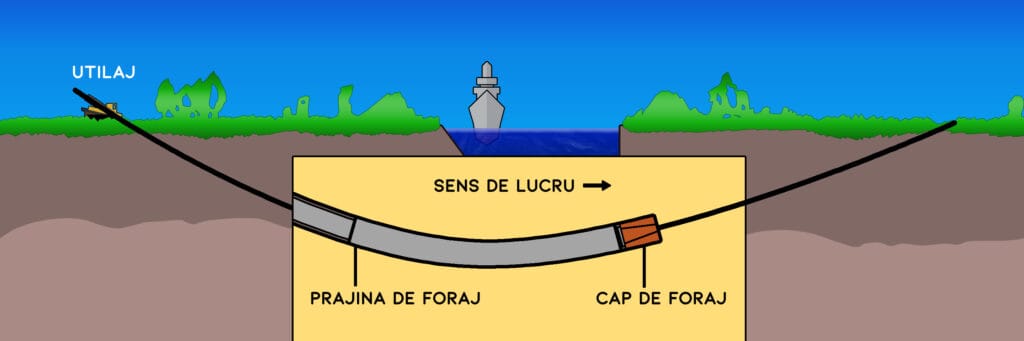
The first stage, the pilot bore, drills the ground to the diameter of the drill bit as it advances, pressing the loosened material sideways into the bore walls, while the bore stays full of the injected drilling mud.
Obstacles along the route are identified and avoided from the surface by measuring the electromagnetic signal emitted by the drill head and changing the bore path within a given bend radius.
The bore is cleaned by the drilling fluid (an environmentally friendly mix of water and water-soluble clay), which also helps support the bore.
Reaming
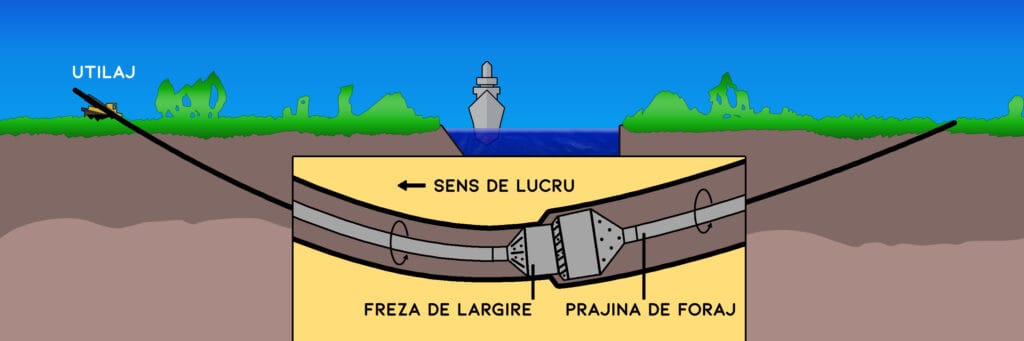
Reaming involves removing the drill bit at the far end of the bore, replacing it with a reamer about 30% larger than the bit and pulling the drill rods and reamer back to the starting point, where the rig is. As the rod string and reamer are pulled back, rods are added behind them, so although the reamer keeps moving towards the rig, the string keeps the same length and its far end always stays at the surface.
This is repeated with ever larger diameters until the bore reaches the diameter needed for the pipe.
In horizontal directional drilling, this diameter must be about 30–50% larger than the diameter of the pipe being installed.
Pipe pullback
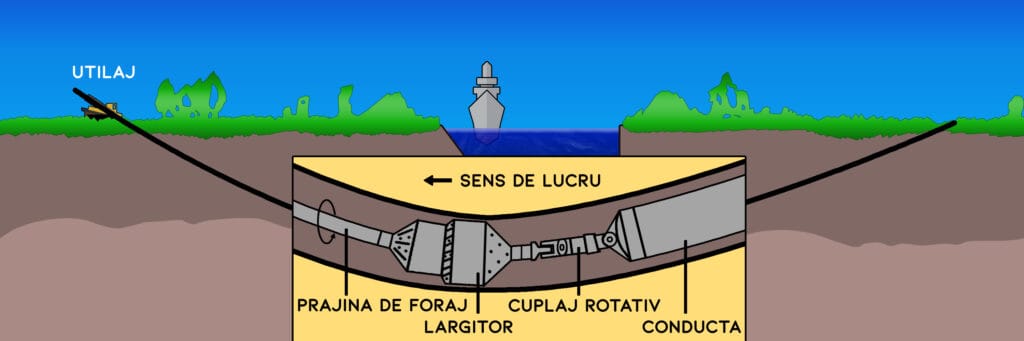
Laying the pipe underground involves a final reaming pass with the final reamer, to which a pulling head for the pipe is attached. The whole assembly – drill rods, reamer, pulling head and pipe – is pulled through the bore created in the first two stages towards the drilling rig. When it reaches the surface at the rig, the reamer and pulling head are detached and the pipe remains underground, which completes the operation. This second reaming pass during pullback pushes the cuttings into the bore walls and compacts them. Thanks to this and to the drilling fluid, which stabilises and lubricates, the bore walls do not collapse and the bore keeps its diameter for a relatively long time (a few days), enough to pull the pipe in safely.
Over the following days, as the water gradually drains from the drilling mud, the excavated material and the bore walls fill the remaining space, so that in the end the pipe is in direct contact with the ground along its entire surface.
The maximum length and diameter of pipes installed by horizontal directional drilling depend on the technical characteristics of each drilling rig.
The whole job includes:
- radio detection to check the site plans provided by the client and/or ground investigation with ground-penetrating radar, to locate existing obstacles;
- processing the information obtained;
- choosing the bore path, based on the obstacles found and the pipe material, and having it approved by the designer;
- drilling, following the stages described, and laying the pipe;
- checking the pipe depth, either with the locating device or by direct measurement in intermediate pits, with reports signed by the contractor and the client’s site supervisor;
- handover of the work.
Why choose XCD HDD?
- Extensive experience in HDD / horizontal directional drilling
- Modern rigs and advanced guidance systems
- Fast, clean and safe execution
- Compliance with European quality and environmental protection standards
We carry out trenchless installation with HDD technology, suited to urban infrastructure, industrial projects and environmentally sensitive areas. Our solutions are ideal for laying HDPE pipes, water networks, sewerage, natural gas and fibre optics, without harming the environment or the soil structure.
The performance of our rigs and equipment, the qualifications of our staff and our experience make our work a high-quality service, in line with legal requirements, designs, specifications, standards and the contracts we sign.
Focus on quality, not on digging!
HDD (horizontal directional drilling) installs underground infrastructure without destroying the urban or natural landscape. It is the ideal solution for sustainable, modern and efficient projects.
Gallery
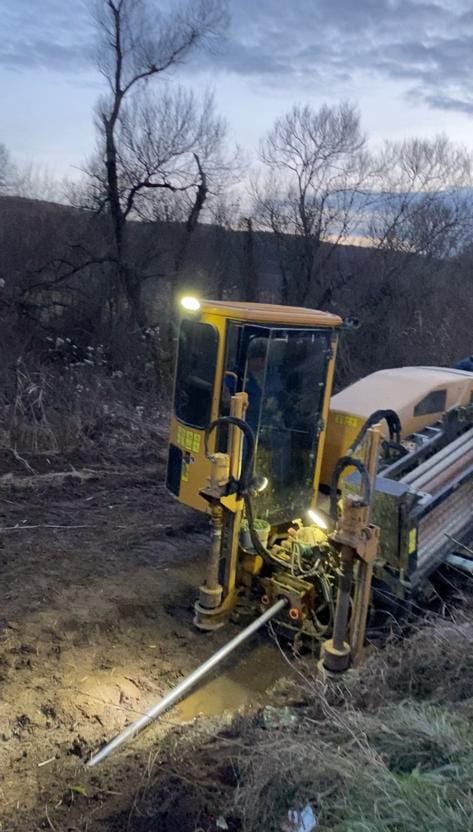
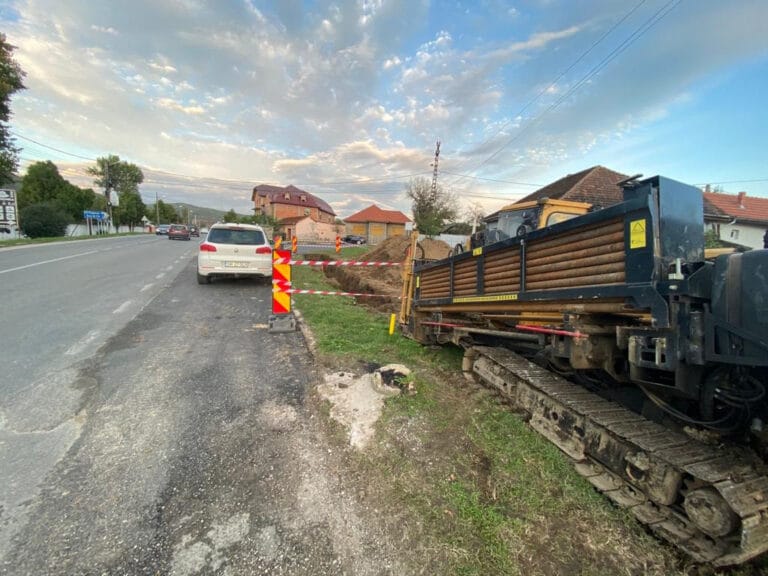
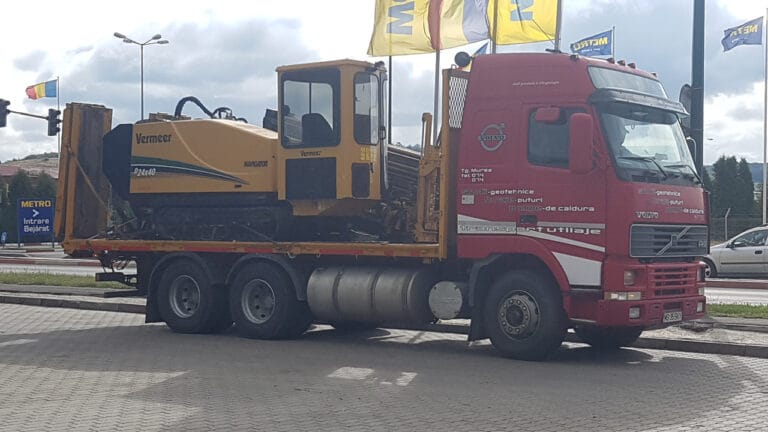
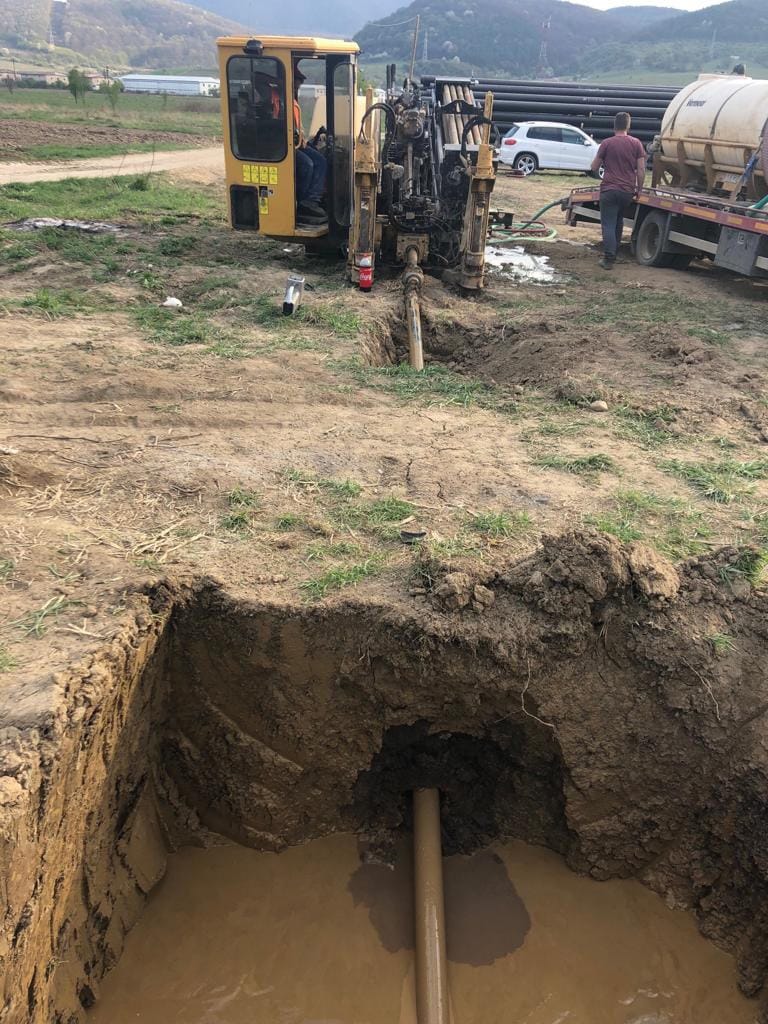
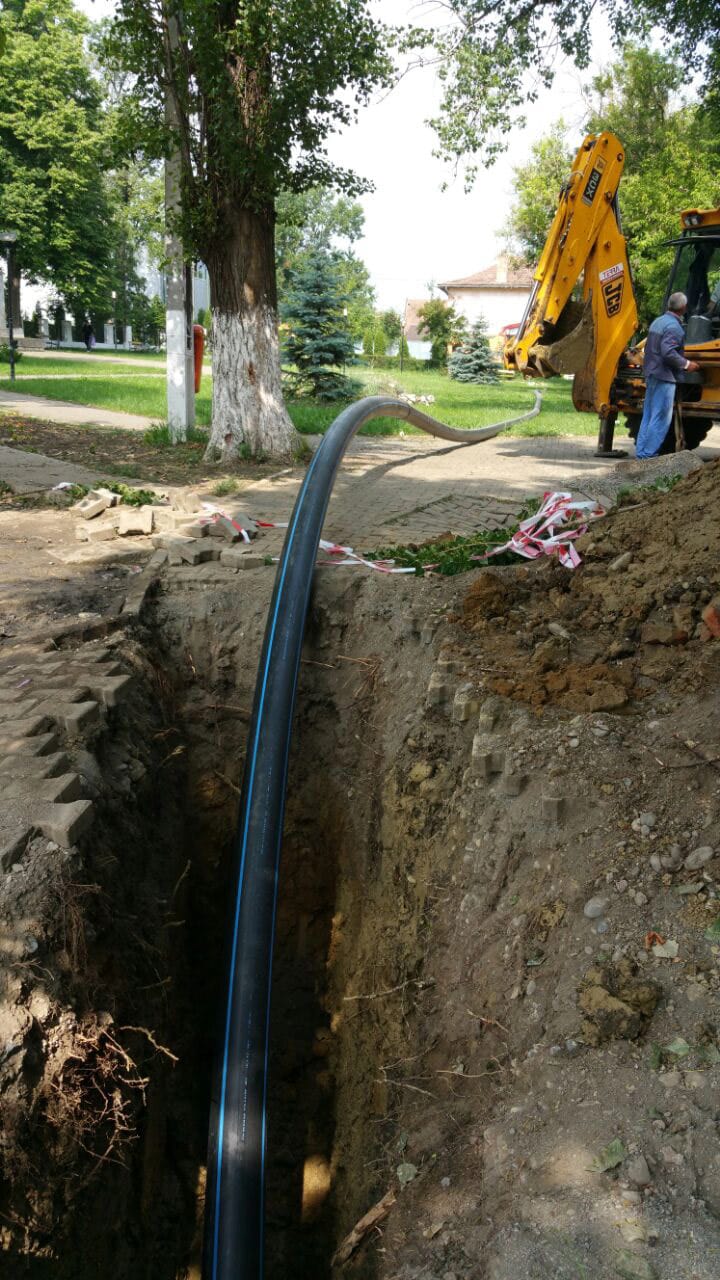
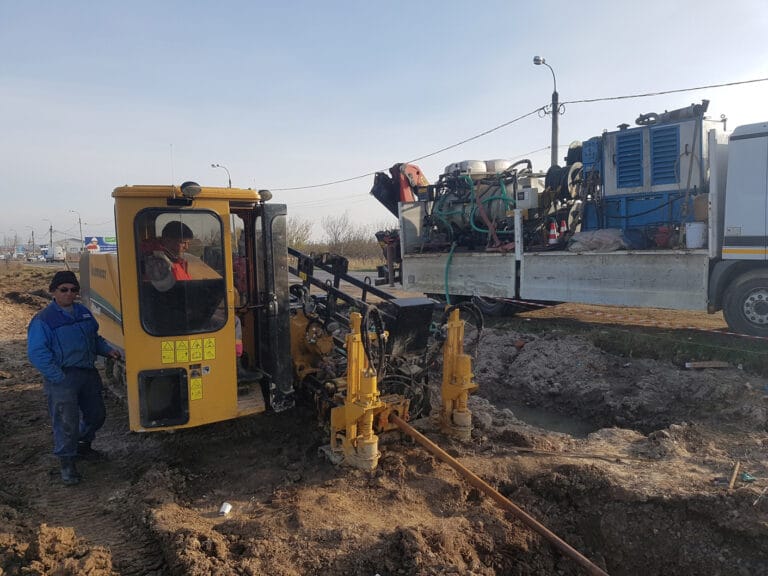
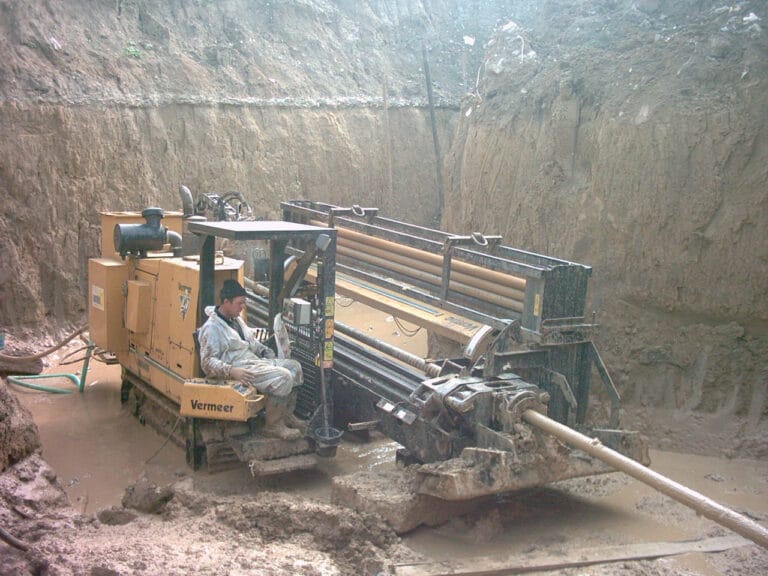
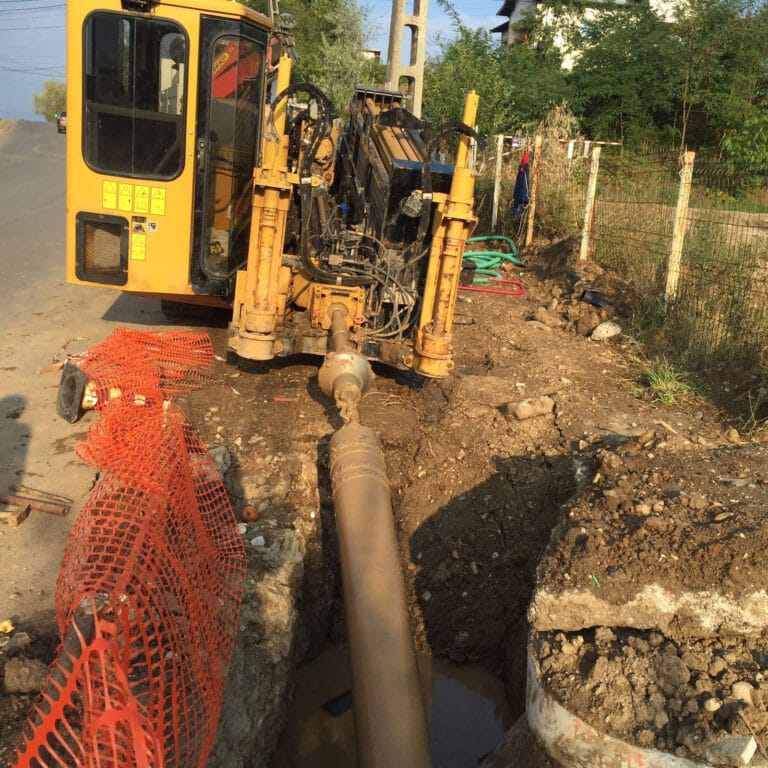
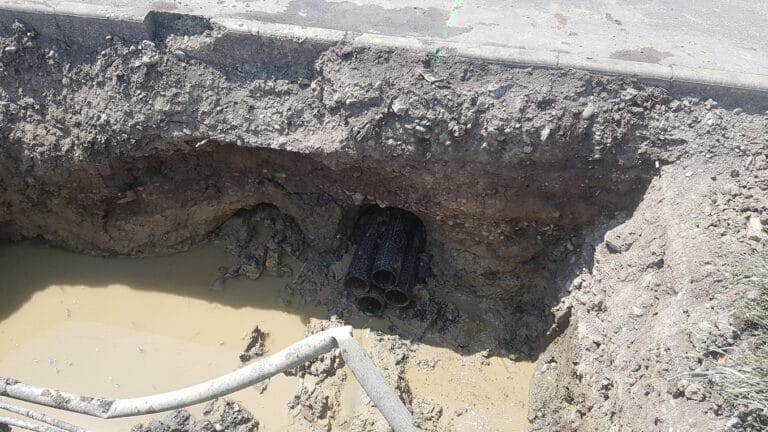
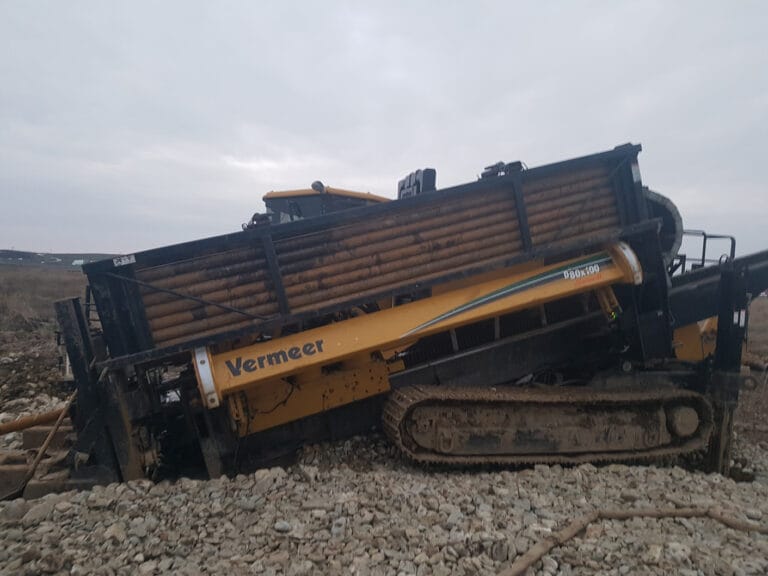
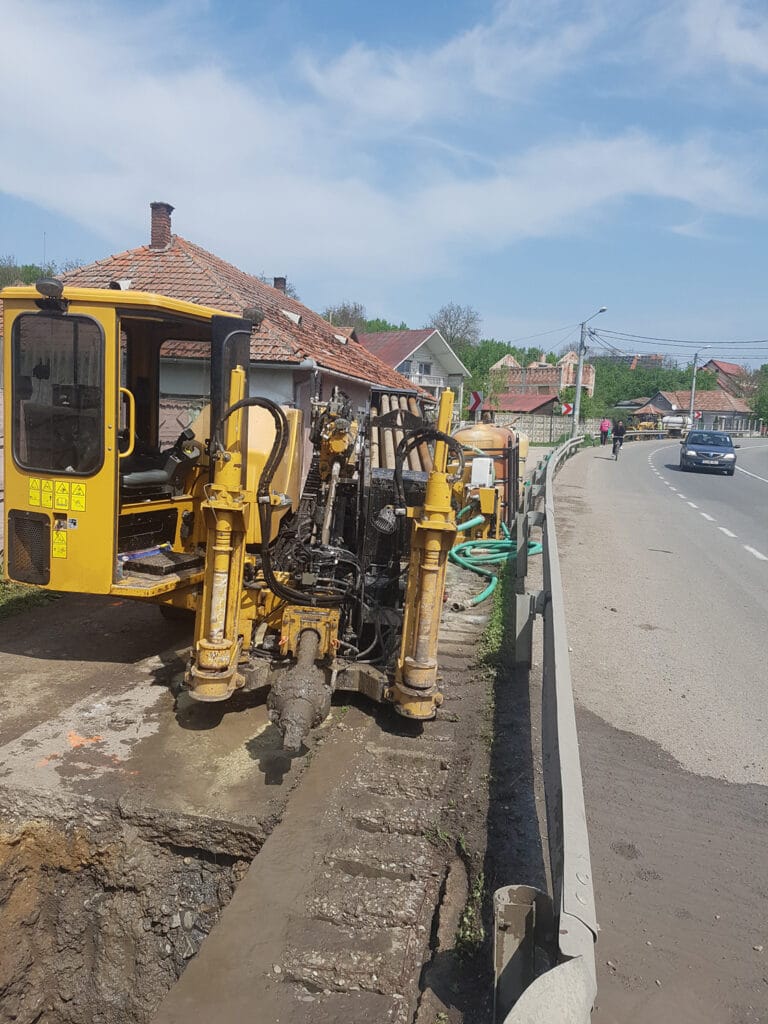
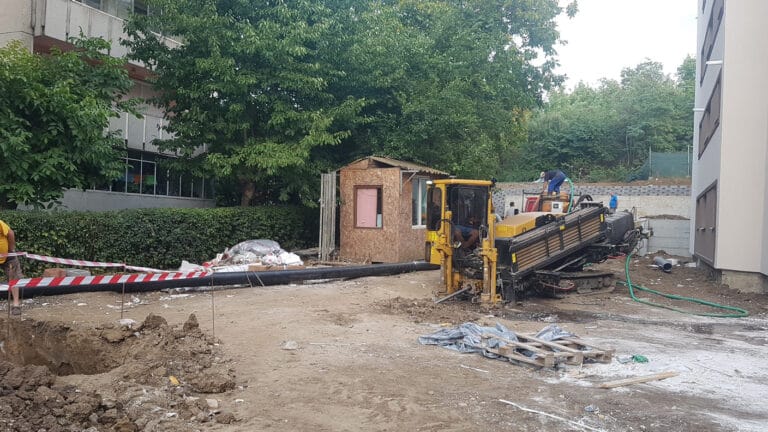
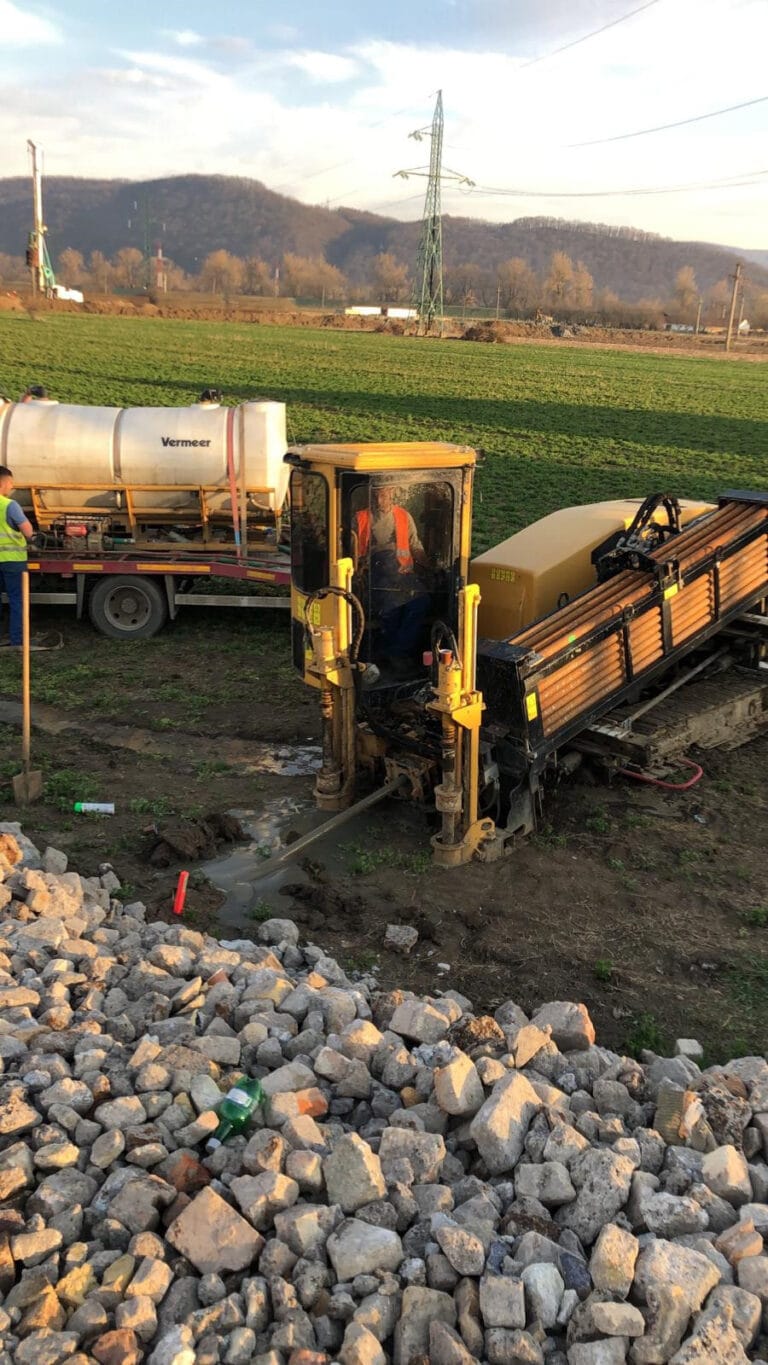
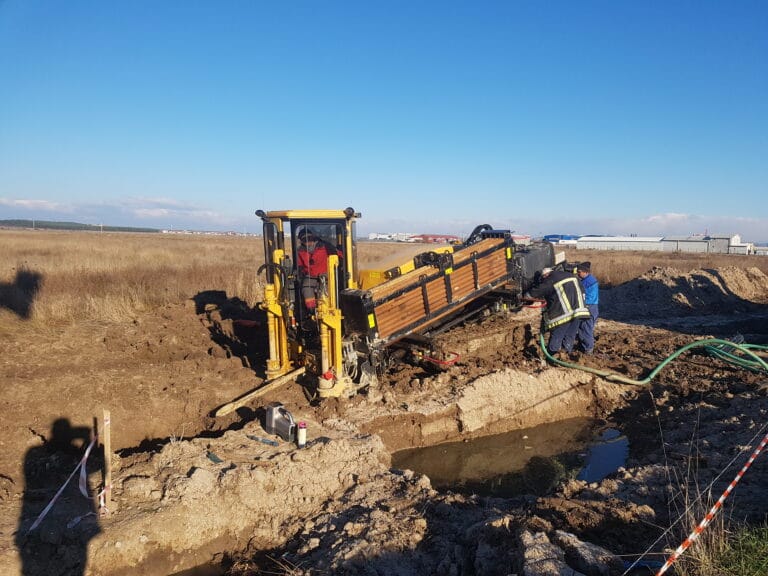
Below is a selection of photos from our previous projects, the equipment we use and the sites where we carried out crossings for our clients using horizontal directional drilling.
Frequently asked questions
What is horizontal directional drilling (HDD)?
Horizontal directional drilling (HDD) is a modern trenchless technology that installs pipes, cables and ducts underground without open trenches. It is the ideal solution for infrastructure work in difficult or sensitive areas, such as crossings under roads, railways, canals or busy urban areas.
What are the advantages of horizontal directional drilling?
The advantages include:
- High accuracy, with the whole process monitored from the surface.
- No open trenches, so road and rail traffic is not disrupted.
- Shorter execution times and higher productivity.
- Minimal impact on the environment and existing infrastructure.
- The ability to drill under obstacles such as roads, railways or rivers.
- Optimised total costs for medium and large projects.
Where is this technology used?
HDD is ideal for:
- Crossings under national, county and local roads.
- Railway lines.
- Urban areas, parks and protected areas.
- Installing HDPE pipes for water, gas, sewerage or fibre optics.
What are the stages of horizontal directional drilling?
The main stages are:
- Excavating the entry and exit pits.
- Pilot bore – steering the drill head along the planned route.
- Reaming – using reamers to enlarge the bore to the required diameter.
- Pipe pullback – pulling the pipe into the finished bore.
What equipment does XCD HDD use for horizontal directional drilling?
XCD HDD uses modern HDD rigs with electronic guidance and real-time monitoring, for accurate and efficient work.
Do you have a project that needs trenchless horizontal directional drilling?
Send us the details and we will propose a fast, efficient solution tailored to your requirements. We reply promptly and professionally.