
Trenchless crossings under roads, railways and rivers
We carry out trenchless crossings for pipes and cables under roads, railways, rivers and built-up areas, without cutting the road or stopping traffic. We choose the method by obstacle, diameter, length and soil: horizontal directional drilling, pipe ramming or pipe jacking.
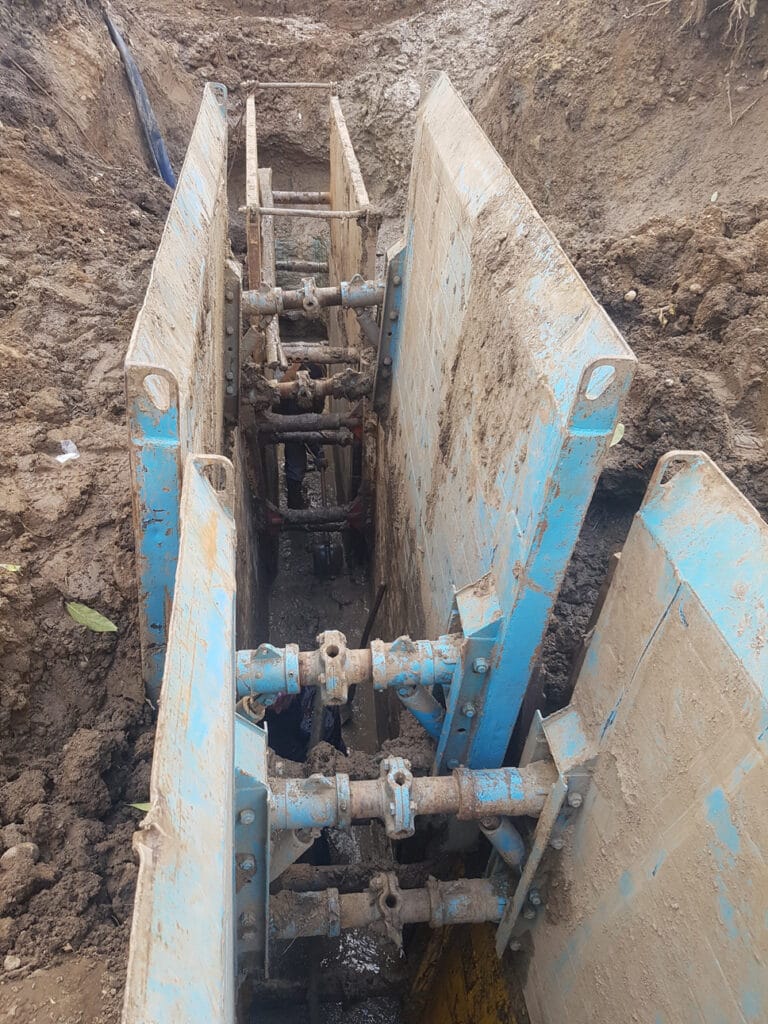
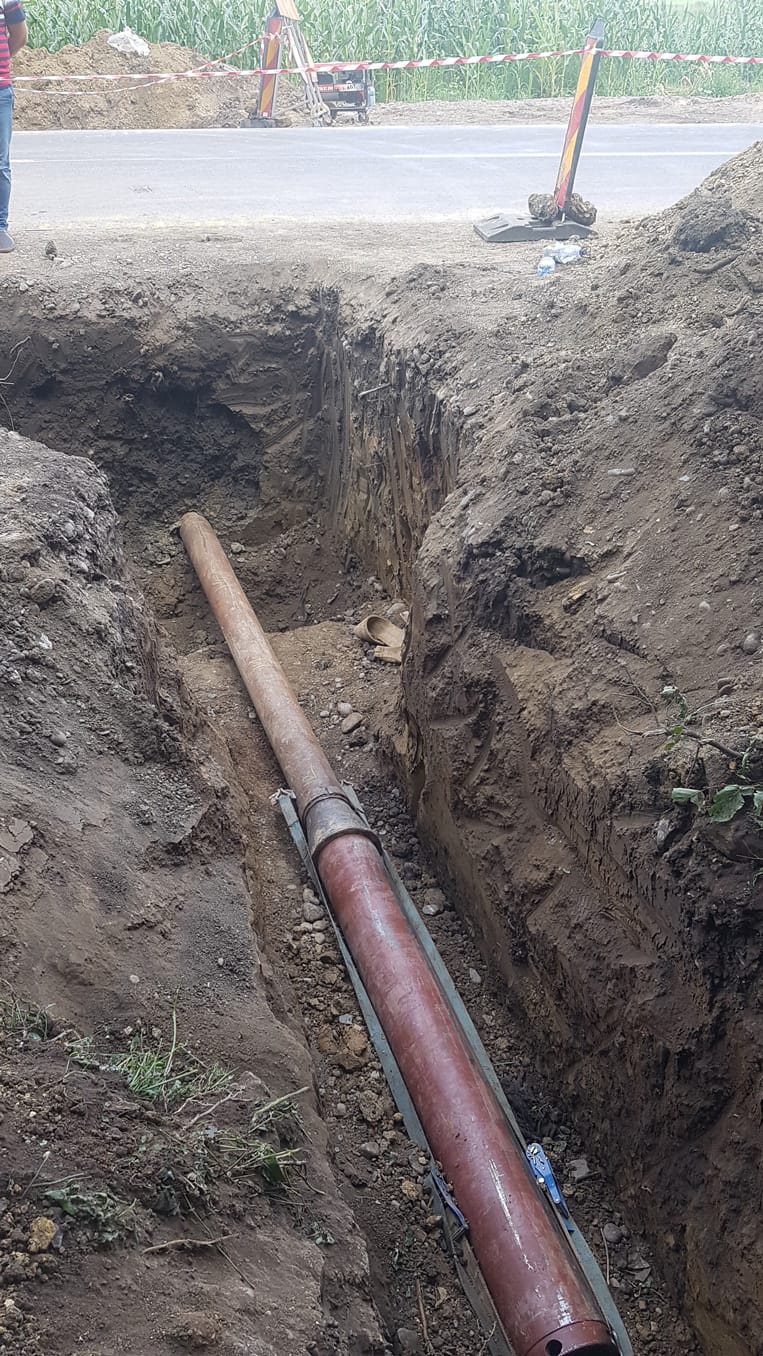
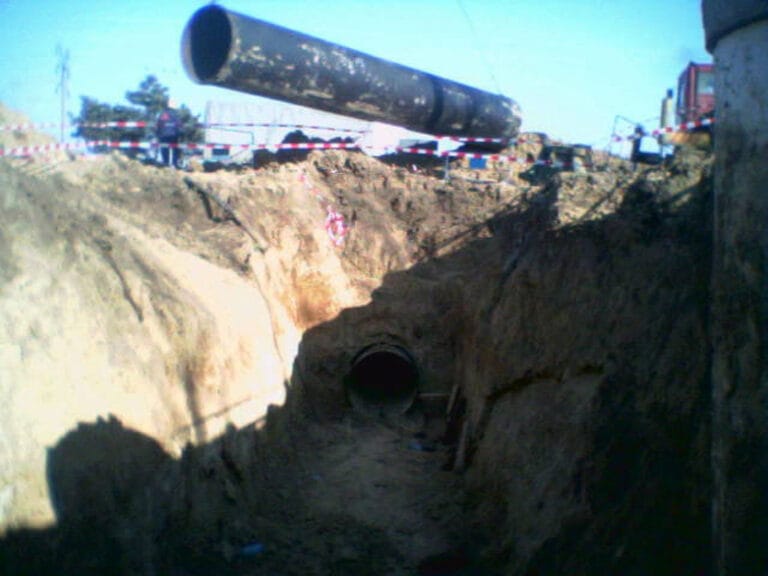
A trenchless crossing takes a pipe or cable under an obstacle: a road, a railway, a river, a canal or a building. The work is done from two pits, one at each end, and the obstacle above stays untouched.
Without open trenches, the road stays open, the riverbed and banks stay untouched, and resurfacing costs are much lower.
How we choose the method
- Horizontal directional drilling (HDD): long or curved routes, under rivers and wide roads, for HDPE or steel pipes and for cables. The bore path is tracked and corrected in real time.
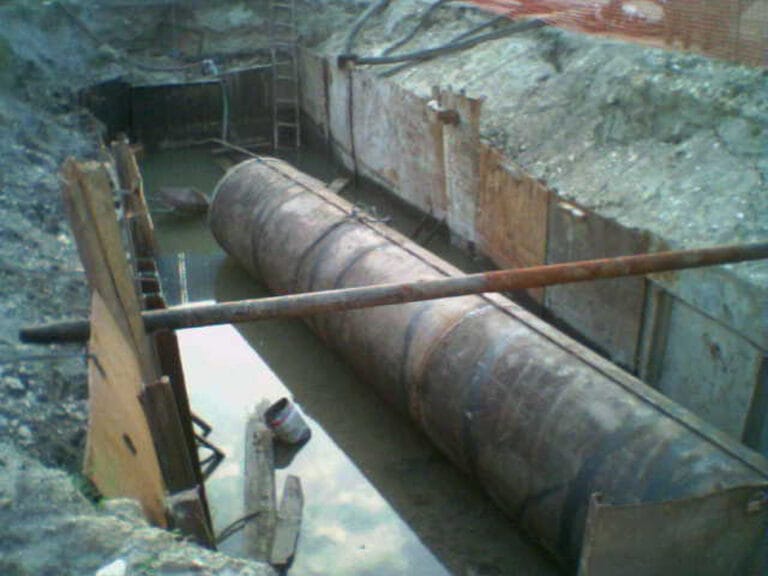
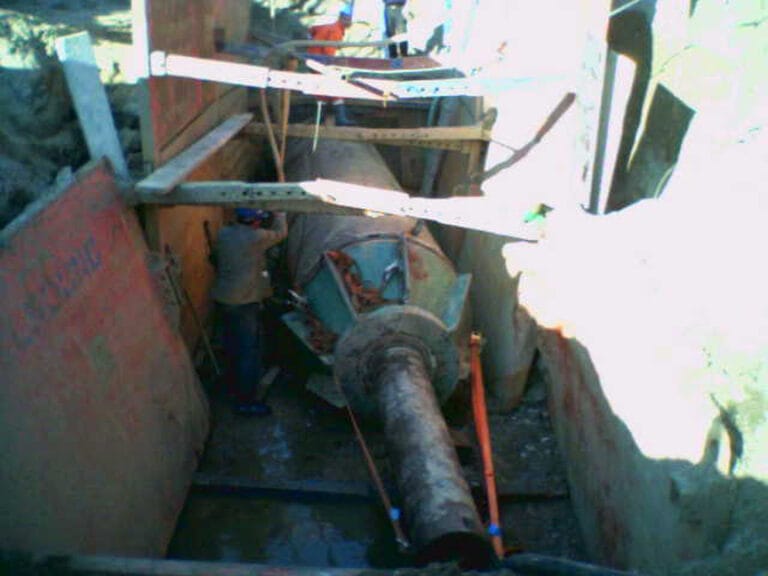
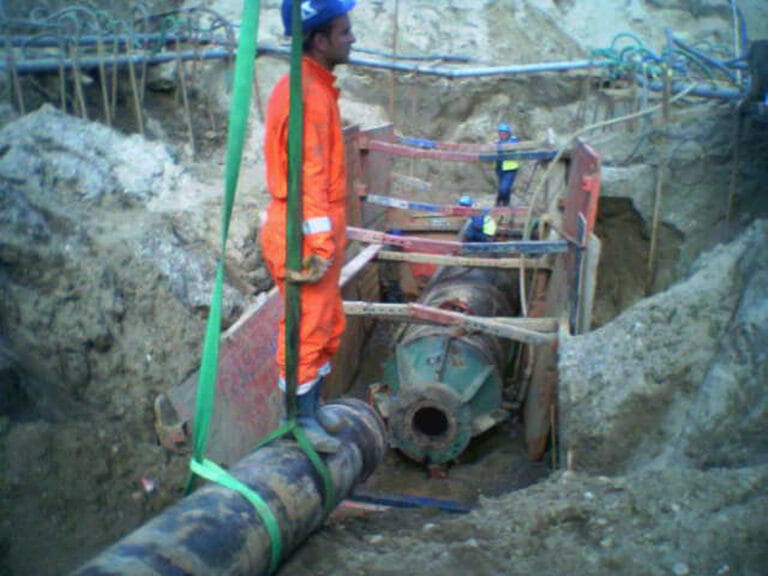
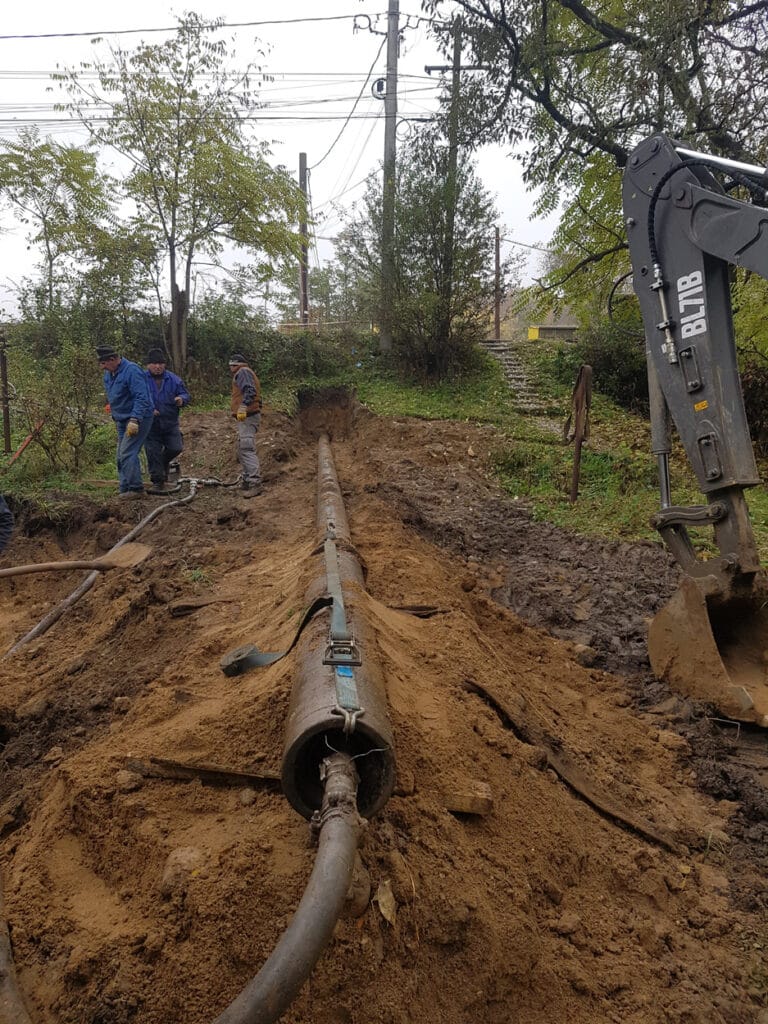
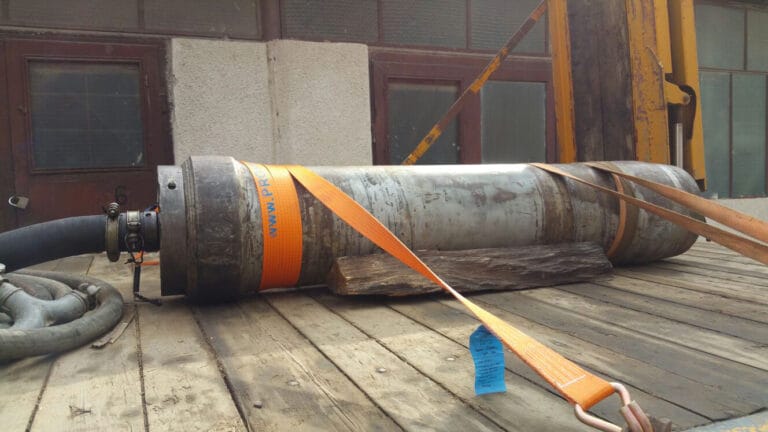
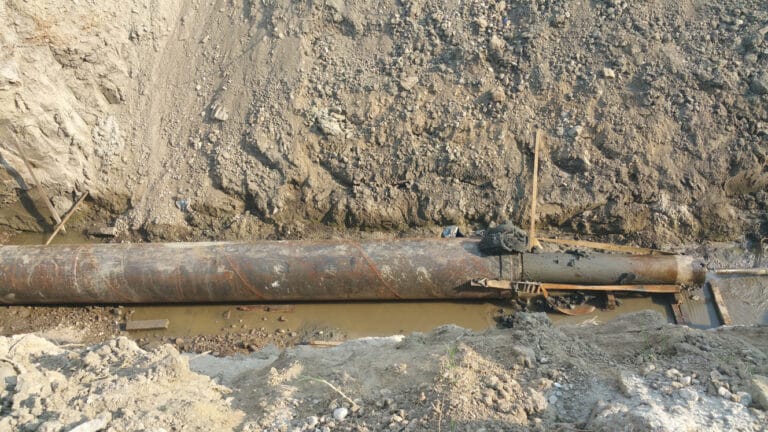
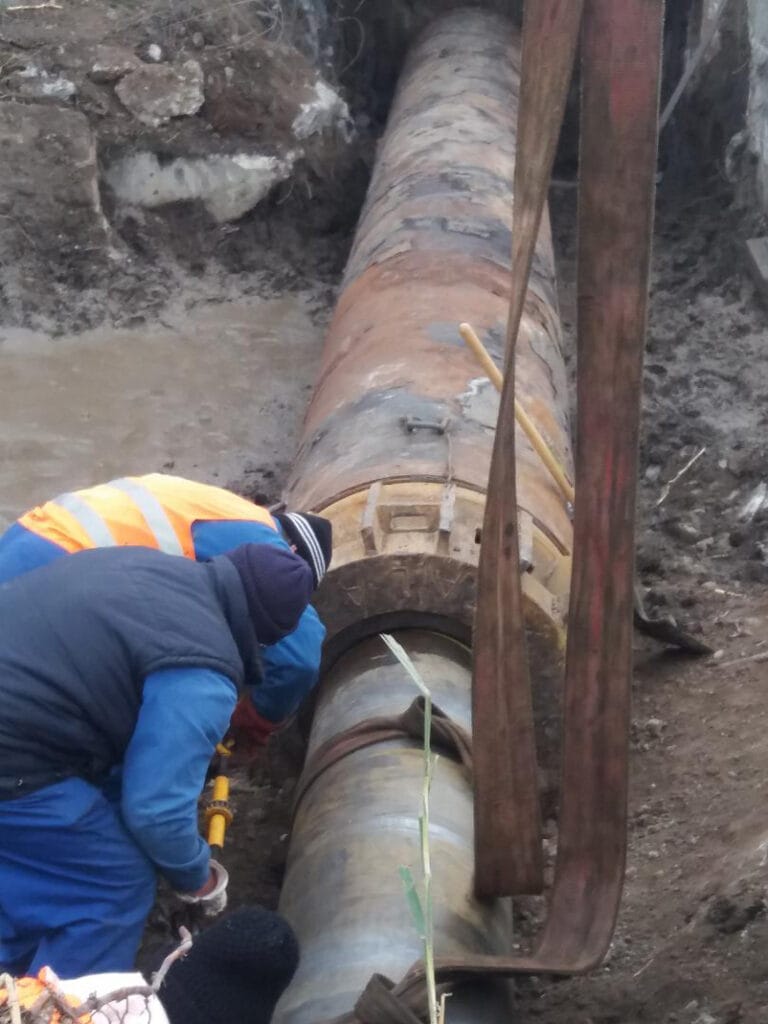
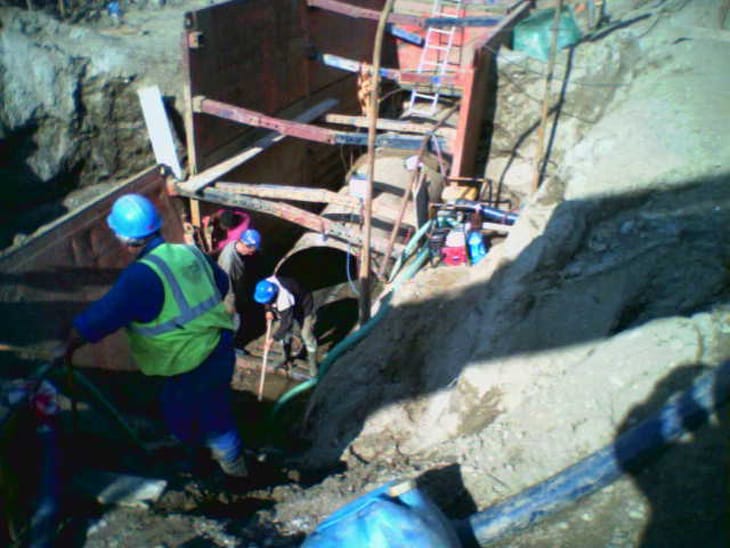
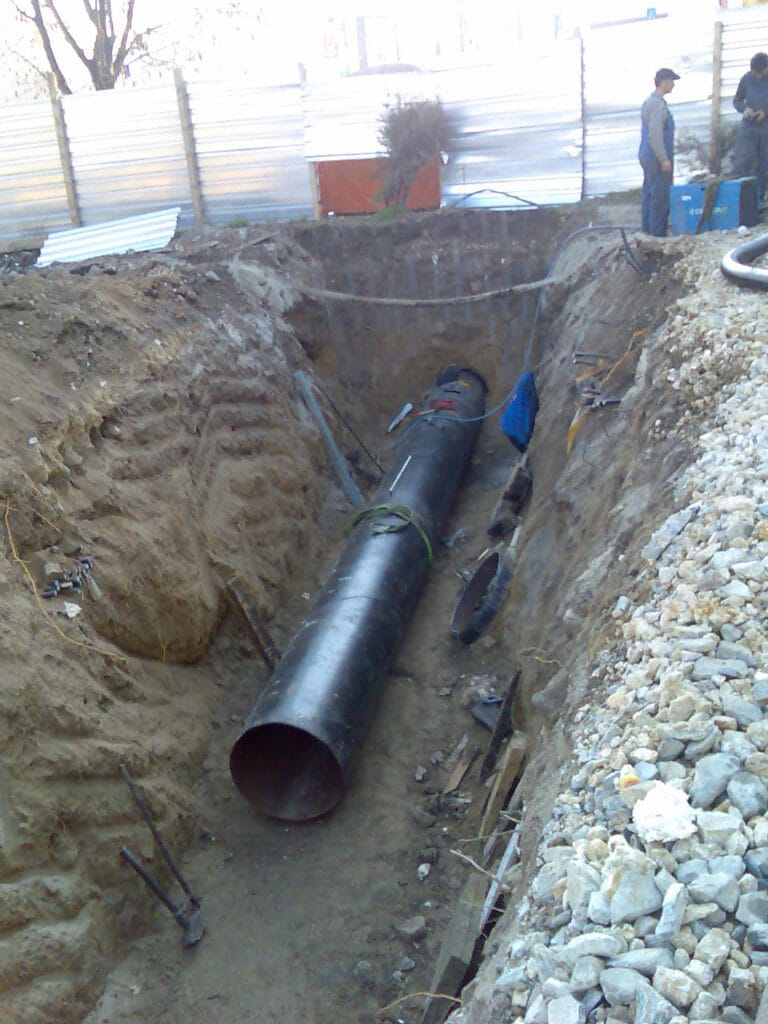
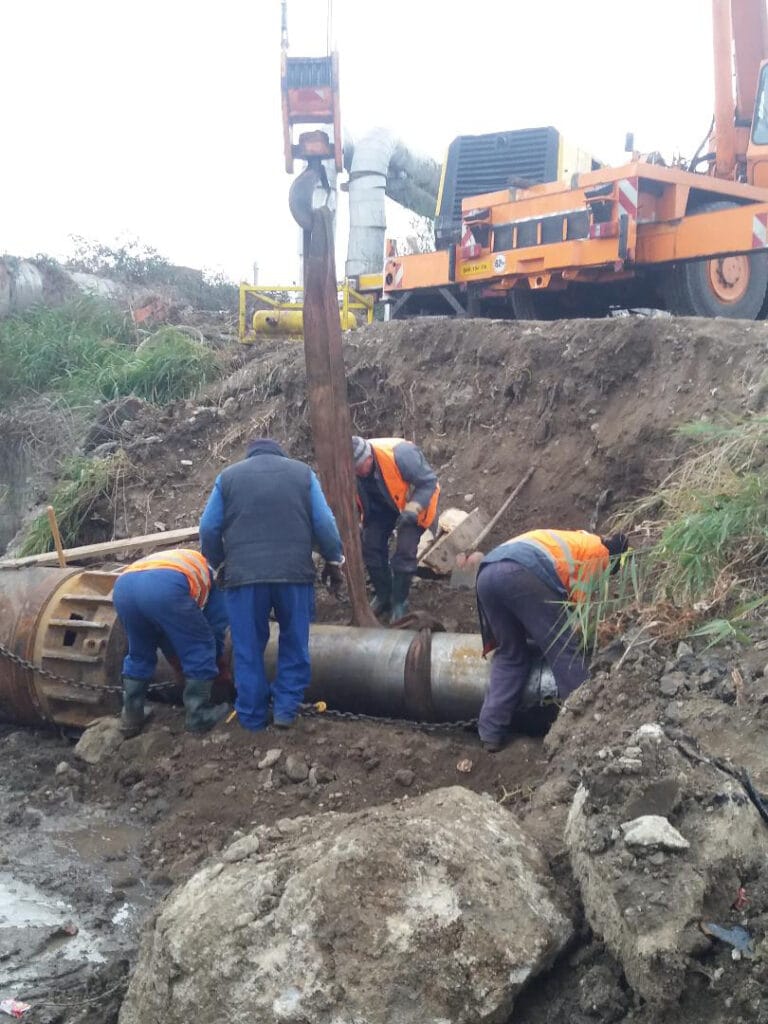
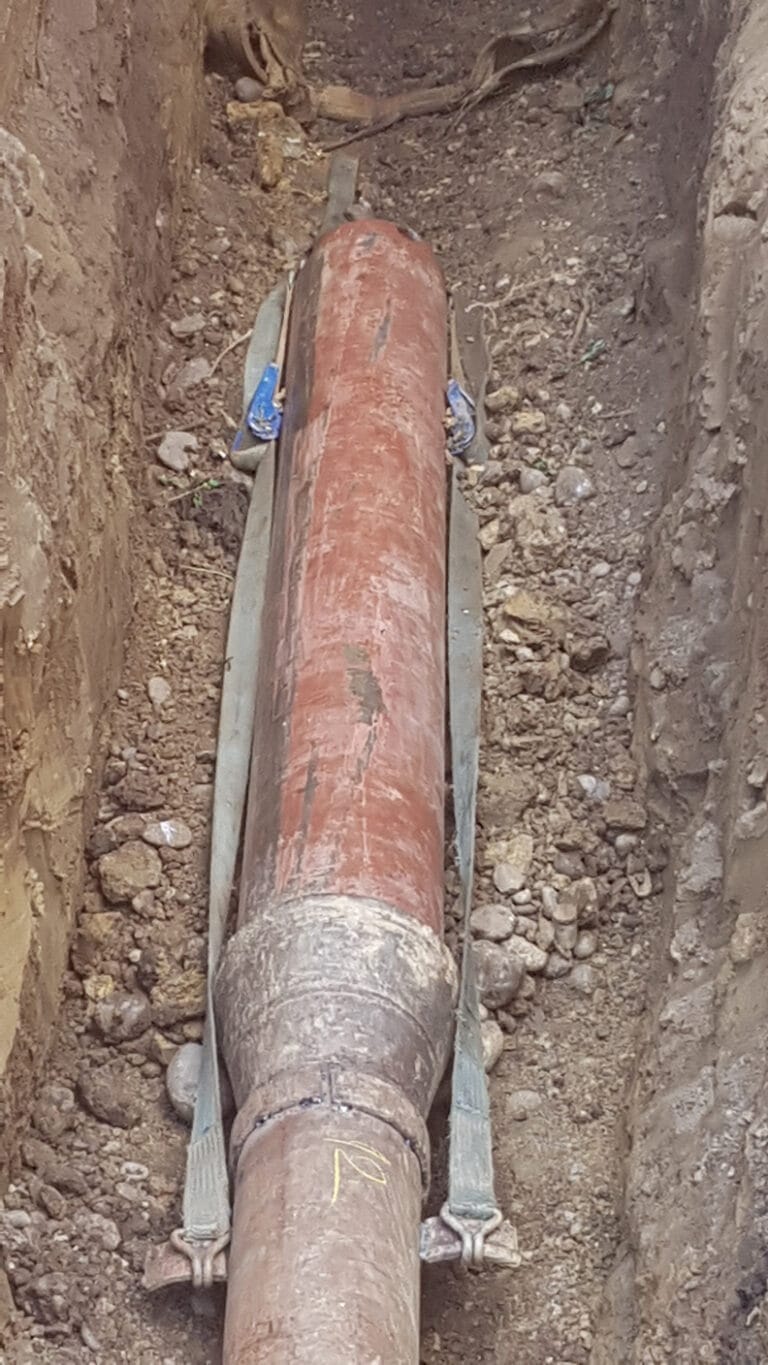
- Pipe ramming (ESSIG): short, straight runs, with steel pipes from DN25 to DN1500, usually as casings.
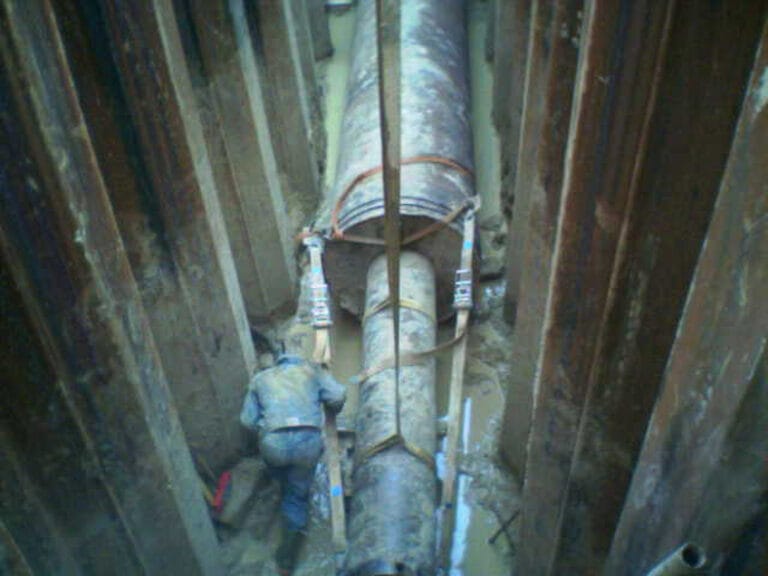
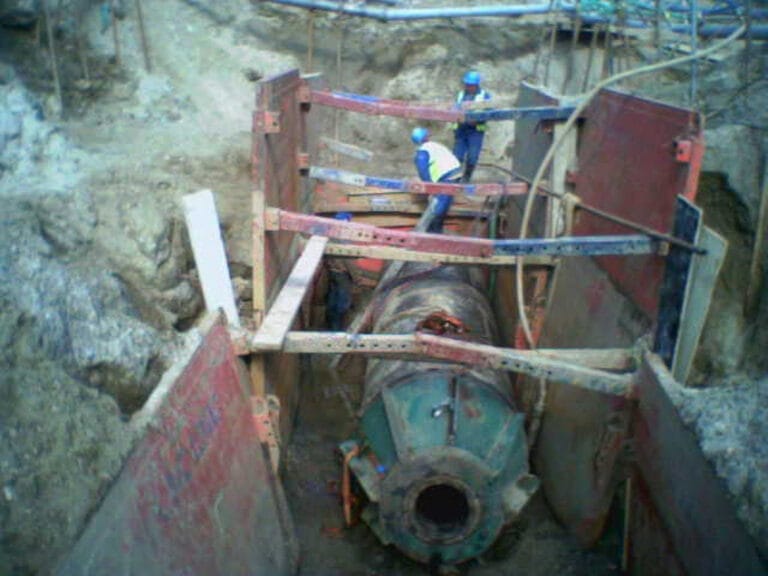
- Pipe jacking: short, straight runs, with concrete, clay or steel pipes pushed by hydraulic jacks; often used for sewers.
The soil and the working space often decide. That is why we ask for the geotechnical study, if there is one, and, when needed, visit the site before quoting.
Road crossings
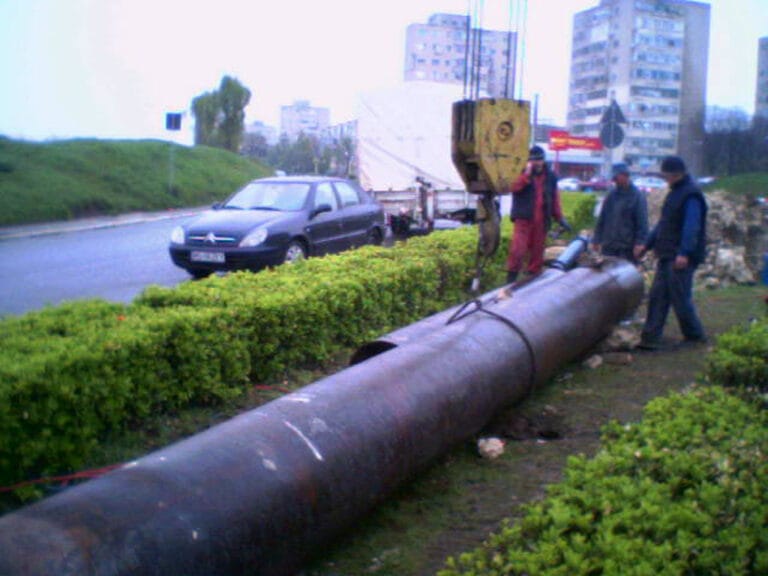
We take pipes and cables under national, county and local roads and under streets, without stopping traffic. For long routes or under junctions we usually use horizontal directional drilling; for short crossings with a steel casing, pipe ramming or pipe jacking.
The crossing needs the approval of the road authority: CNAIR for national roads, the county council for county roads, and the local council for local roads and streets.
Railway crossings
Under a railway, the pipeline usually runs through a steel casing, installed by pipe ramming, pipe jacking or directional drilling, depending on diameter and length. The railway embankment stays untouched.
The work needs the approval of the railway infrastructure manager, usually CFR SA, which sets the technical conditions: depth, clearances and pipe protection. We check them from the start, before quoting.
River and canal crossings
Under rivers, streams and canals we usually use horizontal directional drilling: the bore dives under the riverbed and comes up on the opposite bank, with no work in the water. The riverbed and banks stay untouched.
The work needs a water management permit from the National Administration Romanian Waters (Apele Române), through the river basin administration.
What we need for a quote
- the location and the obstacle to be crossed;
- the route length and the required depth;
- the network, pipe material and diameter, or the number of cables;
- the geotechnical study, if available;
- the site plan and longitudinal profile, if available;
- the permits already obtained and the desired deadline.
Permits are usually obtained by the client or the designer, based on the urban planning certificate. We tell you which conditions matter for the drilling.
Frequently asked questions
Does traffic stop during the work?
Usually not. We work from pits next to the obstacle, and the road or railway stays in service.
How long does a crossing take?
It depends on length, diameter, soil and method. We give you the estimated duration with the quote.
Who obtains the permits?
Usually the client or the designer. We tell you which technical conditions matter for the drilling and which documents we need.
Do you work outside Transylvania?
Yes. We are based in Târgu Mureș and work most often in Transylvania, but we carry out crossings throughout Romania.
Do you have a crossing to do?
Send us the location, what needs to be crossed, the length and the pipe diameter. We will propose the right method and send you a tailored quote.